

DOCTOR-LED APPROACH
FUE EXTRACTION
PRECISE IMPLANTATION
NO LINEAR STRIP
REMOVAL
UP TO 4000 GRAFTS PER PROCEDURE
What is FUE hair transplant surgery?
Thinning of hair and hair loss are normal aspects of aging, affecting both men and women. Hair loss can also occur due to several reasons such as medical conditions, autoimmune disease, or genetics.
FUE (Follicular Unit Extraction) is a hair transplant surgery that uses a special tool to extract individual hair follicles from a donor area of the scalp and transplant them to a bald or thinning area.
The extracted follicles are then transplanted into the recipient area one at a time, providing a more natural-looking result than other methods of hair transplantation.
This method of hair transplant surgery is minimally invasive, leaving no linear scar, and is also relatively quick and efficient.
Before & After images

Stage of Review – 6 Months
Expected Full Results – 12 Months
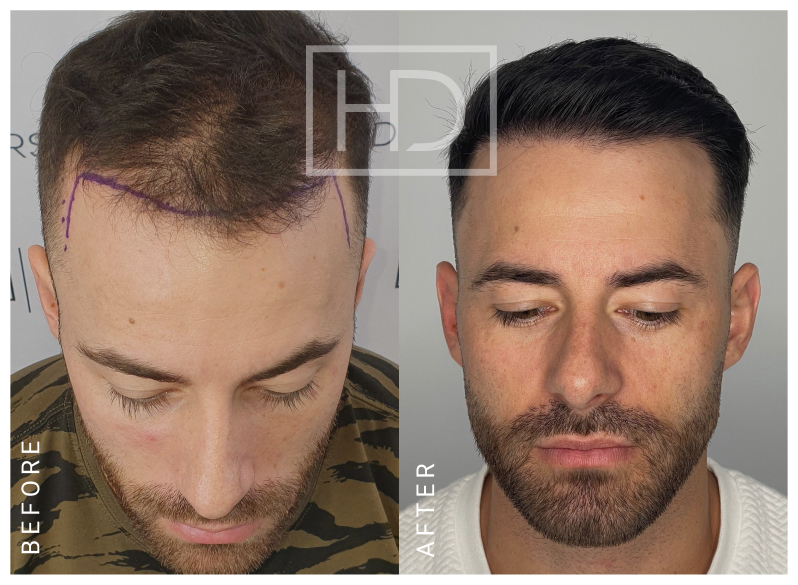
Stage of Review – 6 Months
Expected Full Results – 12 Months
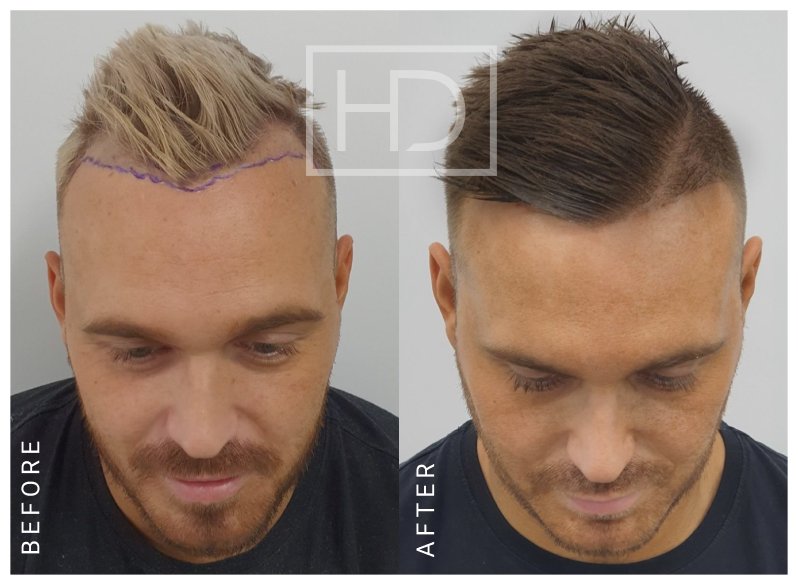
Stage of Review – 12 Months
Expected Full Results – 12 Months

Stage of Review – 6 Months
Expected Full Results – 12 Months

Stage of Review – 12 Months
Expected Full Results – 18 Months

Stage of Review – 12 Months
Expected Full Results – 12 Months
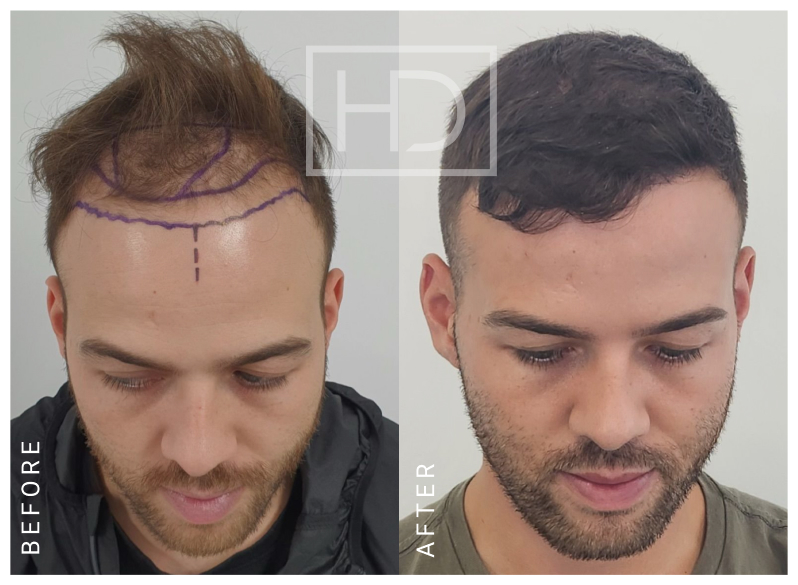
Stage of Review – 18 Months
Expected Full Results – 18 Months
The before and after images we show are of real Hair Doctors patients, published with their consent. The results shown are specific to each individual. They are examples only. They are not a guarantee, and they are not a prediction of the result you would get. Outcomes vary depending on a range of factors, including your age, hair type and density, the degree of your hair loss, your general health, how you heal, and whether you use hair loss medication.
The procedures shown carry risks, some of which can be serious. Please read our risks page before deciding whether a procedure is right for you.
These images have not been edited or enhanced to change the result shown. Where an image is taken at a set time after the procedure, that time is noted with the image. These images are examples of possible outcomes and should not be taken as indicative of the result you can expect.
Wondering if FUE Hair Transplant is Right For You? Find Out Today
About the FUE Hair Transplant Procedure
Follicular Unit Extraction (FUE) is a hair transplant technique that may be suitable for some people experiencing hair loss. Features of the procedure include:
- Minimally Invasive: FUE involves removing individual hair follicles rather than a strip of scalp. As with any surgical procedure, potential risks and complications will be discussed during your consultation.
- Individual Treatment Planning: The procedure is tailored to your individual pattern of hair loss, donor hair availability and clinical assessment. Suitability varies between individuals.
- Local Anaesthetic: FUE is typically performed under local anaesthetic. Your doctor will discuss what you can expect during the procedure, including any potential discomfort.
- Recovery: Recovery following an FUE hair transplant varies between individuals. Your treating practitioner will provide post-operative instructions and discuss the expected recovery process.
- Scarring: FUE produces a different pattern of scarring compared with strip harvesting techniques. The appearance of scarring varies depending on individual factors and healing.
- Treatment Options: The most appropriate treatment approach will depend on your individual circumstances and will be discussed during your consultation, including who will be involved in your care.
“Dr Oz on FUE Hair Transplant Surgery.
How the FUE Hair Transplant Procedure Is Performed
FUE hair transplantation is a surgical procedure that involves removing individual hair follicles from a donor area of the scalp and transplanting them into areas affected by hair loss. Whether FUE is suitable for you will be determined during your consultation.
The donor area is typically located at the back or sides of the scalp, where hair follicles may be suitable for transplantation. Individual follicular units are carefully removed using a specialised instrument.
Once the donor follicles have been prepared, they are placed into small recipient sites created in the treatment area. The placement of grafts is planned according to your individual treatment plan.
The procedure typically takes between three and eight hours, depending on the number of grafts being transplanted and your individual treatment requirements.
Following the procedure, it is common for the transplanted hairs to shed during the first few weeks. This forms part of the normal healing process. Hair growth following an FUE hair transplant varies between individuals, with changes typically developing gradually over several months. Your treating practitioner will discuss the expected recovery process, ongoing care and what may be expected in your individual circumstances.
How to maintain results
To maintain results it’s important to properly take care of the transplanted hair. Follow the post-op recommendations closely to ensure optimal healing takes place. Thereafter, resume your normal hair care routine, and attend all follow-up appointments
Hair growth will begin to increase from 3-4 months post-surgery, and typically by month 6, growth will be noticeably thicker, with full results seen at 12-18 months.
Post-surgery
For the first couple of nights after surgery, you will be required to sleep with your head elevated on several pillows, a recliner chair or with a travel/neck pillow to avoid you rolling over and rubbing away some grafts. This will help reduce swelling. Avoid strenuous physical activity during the first 3 weeks to prevent elevated blood pressure.
No direct sun exposure, alcohol or smoking during the first two weeks as this will delay healing and damage the grafts.
We recommend a few days off from work to allow time to recover. Swelling may be visible for up to 7-10 days whilst healing.
Recovery
Recovery time is minimal. As there are no stitches healing is quick and can take up to 2 weeks for the tiny scabs to clear completely,
FUE Hair transplant cost
The price of hair transplant surgery varies depending on the number of grafts you require. We can perform different size procedures, from just a few grafts up to 3500 hair grafts or 7000 hairs in one sitting.
At your initial consultation, which will take approximately 45 mins, you will meet with one of our doctors directly, who will complete an advanced scalp analysis and discuss a personalised hair restoration plan.
Thereafter you will receive a detailed quotation based on our hair transplant recommendations
Please visit our website for a free quote. We also offer finance options for your convenience.
Why choose HAIR DOCTORS
Hair Doctors in Sydney is a doctor-led hair restoration clinic focused on the diagnosis and management of hair loss. Your consultation is with a registered medical practitioner, who completes a HairMetrix scalp analysis and creates an individualised treatment plan. Procedures use FUE extraction, with aftercare and follow-up included through to your final result.
Meet our doctors

DR.
ATEKA KHAN (MED0002228811)
General practitioner with experience in hair restoration
Dr Ateka has over a decade of experience in aesthetic medicine and minor surgery. She qualified from the University of Dundee in the UK in 2006 and undertook training in anaesthesia and acute care. She holds a qualification from the London Hair Restoration Academy and performs hair transplant procedures using FUE extraction and Implanter Pen implantation techniques.
DR.
OSSMAN ASHRAF (MED0002227434)
General practitioner with experience in hair restoration
Dr Oz has experience in men’s health and aesthetic medicine. He qualified from the University of Dundee in the UK in 2009 and holds a qualification from the London Hair Restoration Academy. He performs hair transplant procedures using FUE extraction and Implanter Pen implantation techniques, and holds further qualifications in medical education. He is the Medical Advisor and Educator for the Australian men’s health platform MOSH.

Hair Transplant Clinic Australia Locations
SYDNEY
- Level 1/5A Bronte Rd
Bondi Junction NSW 2022 - info@hairdoctors.com.au
- (02) 7252 3351
Bondi Junction is currently for Free Nurse Consultations only, Wednesday, Friday and Saturday, 9 am to 5 pm. Free Nurse Consultations are also available at the Sydney CBD clinic on Tuesday and Thursday, 9 am to 5 pm.
FAQs
If you require more information on our treatments, please read our most frequently asked questions:
The cost of FUE hair transplant in Australia can vary greatly depending on the clinic, the extent of the procedure, and the type of transplant being done. Generally, the cost of FUE hair transplant can range anywhere from $5,000 to $20,000.
FUE hair transplants can be worth it for some people. The procedure can be an effective way to restore hair growth and is a relatively non-invasive procedure. However, it is important to speak with a qualified doctor to decide if this is the best option for you.
FUE hair transplantation is intended to relocate hair follicles from one area of the scalp to another. The longevity of transplanted hair varies between individuals and depends on factors such as the characteristics of the donor hair, the progression of hair loss and individual circumstances. While transplanted follicles may continue to grow in their new location, the procedure does not prevent future loss of existing, non-transplanted hair. During your consultation, your doctor will discuss what may be expected in your individual circumstances and whether any ongoing management options are appropriate for you.
Hair transplantation involves relocating hair follicles from one area of the scalp to another. The long-term outcome of a hair transplant can vary between individuals and may be influenced by factors such as age, genetics, ongoing hair loss and underlying medical conditions. During your consultation, your doctor will discuss the potential benefits, limitations and long-term considerations associated with hair transplantation.
Like any surgical procedure, FUE hair transplant has potential risks, which may include infection, swelling, or scarring. These will be discussed with you in detail during your consultation. Individual recovery and results vary. Read our full risks and recovery information.
This information is not intended to be used for diagnosis or treatment. It is aimed at presenting a perspective only and is not a substitute for a prescription. Anyone experiencing a medical condition should consult their doctor.
How to schedule a consultation
To schedule a consultation with one of our hair loss experts, please contact us as follows:
- Call us on 02 7252 3351
- Email us at info@hairdoctors.com.au
- Book online