
Every treatment we offer carries some risk. This page explains the main risks of the procedures we provide so you can weigh them up before you decide. This is a summary of the main risks and does not replace a consultation. Your doctor or clinician will talk through the risks that apply to you, based on your health, your hair and the treatment being considered.
Some of these procedures are surgical or involve injections, and they can cause complications. For most people these are minor and settle, but some can be more serious or last longer. Please read this page and ask us anything that isn’t clear.
What applies to all of our treatments
- Results vary from person to person and can’t be guaranteed. Two people having the same procedure may get different results.
- More than one session or procedure may be needed to reach your goal.
- Hair loss often continues over time. You may need ongoing treatment to keep your result, and your untreated hair can keep thinning.
- Whether a treatment suits you is assessed individually. For some people, a different treatment, or no treatment, is the better option.
- If how you feel about your appearance is linked to your mental health, a
cosmetic procedure may not be the right response. If you’re distressed about how you look, or think you might have a condition such as body dysmorphic disorder, please speak with your GP.
Hair transplant surgery (FUE, Implanter Pen)
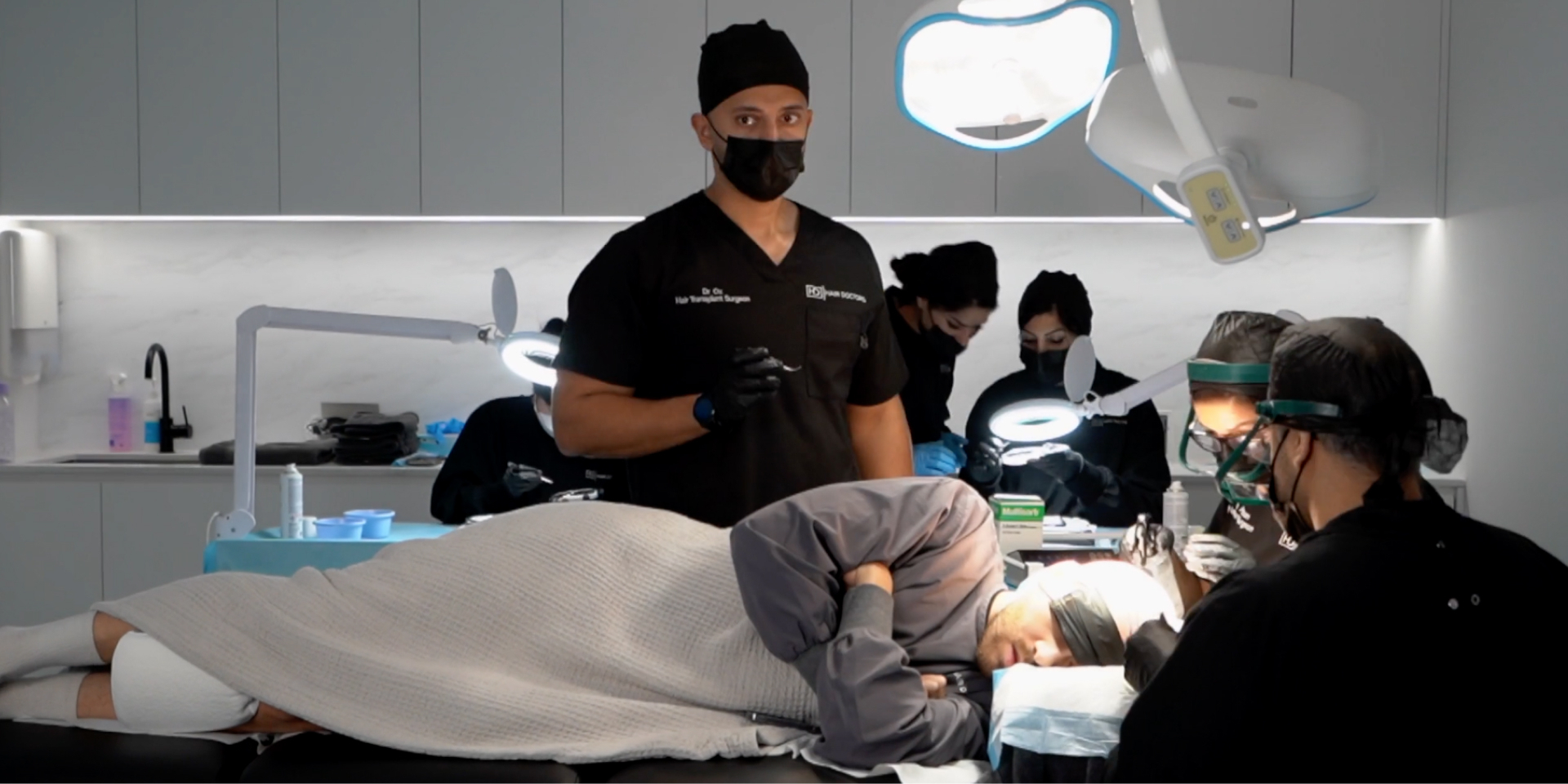
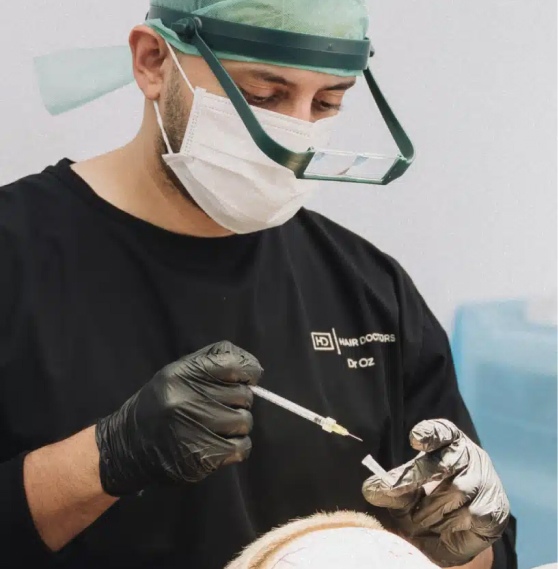
A hair transplant is a surgical procedure. Hair follicles are removed from a donor area of your scalp and placed into areas of thinning or loss. It’s done under local anaesthetic, usually over several hours.
Recognised risks include:
- bleeding
- infection at the donor or recipient areas
- pain and discomfort during and after the procedure
- swelling of the forehead and around the eyes in the days afterwards
- numbness or changed sensation in the treated areas, usually temporary but occasionally longer-lasting
- scarring at the donor and recipient sites. FUE leaves small dot-like marks rather than a line, but healing and how visible any scarring is vary between people
- inflamed hair follicles (folliculitis) and ingrown hairs
- small cysts in the treated area
- shock loss, which is temporary shedding of your existing hair around the treated area
- not all transplanted follicles surviving, which can affect density
- an uneven, patchy or unnatural-looking result
- a result that doesn’t match what you hoped for
- needing further procedures, either to add density or because your own hair keeps thinning
- a reaction to the local anaesthetic
Recovery and results
- You’ll have small wounds and scabbing for several days. A light dressing may be used.
- Most people take some time off work. How long depends on your job and how you heal.
- You’ll need to avoid strenuous exercise, swimming, saunas, alcohol and direct
sun for a period. Your clinician will tell you how long. - Transplanted hairs commonly shed in the first few weeks before regrowth begins. This is normal.
- The final result develops slowly, usually over 9 to 18 months.
- Transplanted hair is taken from areas less prone to loss, but it doesn’t stop your other hair from thinning over time.
PRF (platelet-rich fibrin) injections
PRF uses a sample of your own blood, which is processed and injected into your scalp to support existing hair. Because it comes from your own blood, a reaction to the material itself is unlikely, but the injections still carry risk.
Recognised risks include:
- pain, tenderness, redness or swelling at the injection sites
- bruising and minor bleeding
- infection at the injection sites
- headache
- temporary shedding
- a result that varies between people and can’t be guaranteed
- usually needing several sessions, with maintenance treatments over time
- not being suitable for everyone, including some people with blood, clotting or skin conditions
Cortisone (corticosteroid) injections for alopecia areata
These injections deliver a steroid into affected areas of the scalp to treat alopecia areata, an autoimmune condition that causes patchy hair loss.
Recognised risks include:
- pain at the injection sites
- small dips or thinning of the skin at the injection site, usually temporary but
occasionally lasting - lightening of the skin colour at the site, which can be more noticeable on darker skin
- small visible blood vessels at the site
- headache
- the condition relapsing, so repeat treatment may be needed
- a result that varies between people
- rarely, effects from repeated or higher doses
Hair growth protocol
Our hair growth protocol includes microneedling, which uses fine needles to make tiny channels in the scalp to stimulate the skin, sometimes alongside topical treatments.
Recognised risks include:
- redness, irritation and tenderness
- pinpoint bleeding and bruising
- temporary swelling
- infection at the treated area
- sensitivity of the scalp
- a reaction to any topical products used during the treatment
- a result that varies between people and can’t be guaranteed
- usually needing several sessions
Talk to a Registered Practitioner
This page is a summary of the main risks and is not a complete list. The risks that matter most for you depend on your health, your hair and the treatment being considered, and your clinician will go through these with you before you decide. Please ask us any questions. This information doesn’t replace personalised advice from a qualified health practitioner.