Last updated on September 3, 2025
Hair loss can feel confusing, especially when it begins suddenly or progresses quickly. Alopecia is a term that covers different types of hair loss, from mild patchiness to total scalp or body hair loss. Understanding what causes alopecia helps you make informed decisions about treatment, care, and when to get professional support.
In this article, we’ll explore what causes alopecia, the most common signs, different types of the condition, and whether it’s genetic, contagious, or linked to autoimmune disorders.
What Is Alopecia?
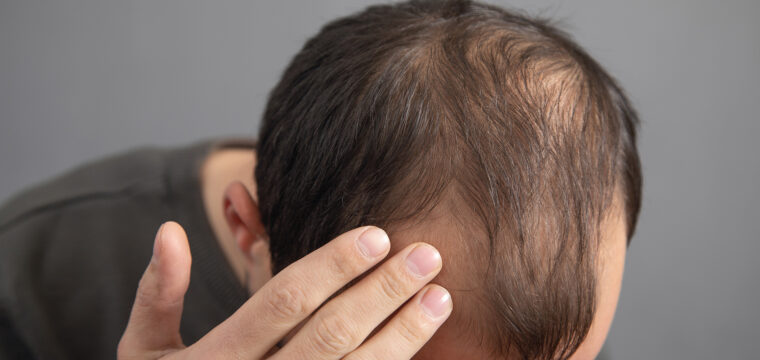
Alopecia simply means hair loss. It can affect the scalp, eyebrows, eyelashes, or even body hair. Some people experience gradual thinning over time, while others may lose hair in sudden patches.
Alopecia is not a single condition. It includes many types of hair loss, such as:
- Alopecia areata (patchy, often sudden)
- Androgenetic alopecia (pattern hair loss)
- Telogen effluvium (temporary shedding)
- Cicatricial alopecia (scarring)
- Alopecia totalis or universalis (total scalp or full-body hair loss)
Each form has a different cause and outcome, so knowing what’s behind your hair loss is key to choosing the right treatment.
What Causes Alopecia?
There is no single cause of alopecia. Several factors can contribute, and sometimes it’s a combination. Here are the most common:
1. Autoimmune Response
One of the best-known types, alopecia areata, happens when the body’s immune system mistakenly attacks hair follicles. This interrupts the hair cycle and causes sudden patchy hair loss. In more severe cases, it may develop into alopecia totalis or universalis.
So, is alopecia an autoimmune disorder? In many cases, yes. According to the Australasian College of Dermatologists, autoimmune-related alopecia affects around 2% of Australians at some point in their lives.
2. Genetics
Is alopecia genetic? Some forms, like androgenetic alopecia (also known as male or female pattern hair loss), absolutely are. If your parents or grandparents experienced pattern hair loss, your chances increase. This type typically appears gradually, often starting at the temples or crown.
Genetics may also play a role in autoimmune types. Researchers have found that people with a family history of autoimmune diseases are more likely to develop alopecia areata.
3. Hormonal Imbalance
Conditions like polycystic ovarian syndrome (PCOS), thyroid disorders, and post-pregnancy hormone shifts can disrupt the hair cycle. When hormone levels fluctuate significantly, hair can shed more quickly than it regrows.
4. Nutritional Deficiencies
Hair needs protein, iron, zinc, and certain vitamins to grow. Inadequate intake due to restrictive diets, poor digestion, or chronic illness can contribute to hair loss. Low ferritin levels, for example, are strongly associated with shedding in women.
5. Stress or Illness
Telogen effluvium, a form of temporary alopecia, often follows a period of stress, surgery, fever, or illness. The hair enters a resting phase, and shedding becomes noticeable 2 to 3 months later.
6. Inflammation and Infection
Scalp infections like ringworm or chronic inflammatory conditions such as lichen planopilaris or lupus can also lead to alopecia. These conditions can damage hair follicles and lead to permanent scarring if not treated early.
7. Medications and Treatments
Chemotherapy, certain antidepressants, and blood pressure medications are known to trigger temporary or long-term hair loss. Always discuss side effects with your healthcare provider if you notice shedding after starting a new medication.
Signs of Alopecia to Watch For
The early signs of alopecia depend on the type but commonly include:
- Noticeable shedding in the shower, brush, or pillow
- Patches of missing hair
- A widening part line or receding hairline
- Bald spots with smooth, bare skin
- Itching, tingling, or tenderness on the scalp
These signs of alopecia are often overlooked at first, especially when the loss is mild. If you’re unsure, professional scalp analysis and medical history review can help identify the cause.
Is Alopecia Contagious?
This is a common concern. So, is alopecia contagious? No. Most forms of alopecia, including androgenetic alopecia and alopecia areata, are not contagious. You cannot catch alopecia from another person through physical contact or shared items.
The exception is scalp ringworm, a fungal infection that is contagious and can lead to patchy hair loss. It’s treated with antifungal medication and usually resolves without permanent damage if caught early.
Is Alopecia Permanent?
Some types of alopecia are reversible. Telogen effluvium and post-pregnancy shedding often resolve within months. With proper treatment, many people recover from alopecia areata, though relapses can occur. However, scarring alopecias, where inflammation destroys the hair follicle, can cause permanent hair loss.
This is why early diagnosis is important. At Hair Doctors, we offer AI-powered scalp analysis to assess follicle health and help determine whether your condition is likely to improve or requires long-term treatment. With advanced Implanter Pen and FUE hair transplants, people can permanently regain their hair even in cases of genetic hair loss or scarring.
Treatment Options for Alopecia
Treating alopecia depends on the cause and severity. Options may include:
- Plasma growth factor therapy to stimulate dormant follicles
- Exosome therapy to support cell signalling and repair
- Scalp mesotherapy for targeted delivery of nutrients
- Medication (topical or oral)
- FUE and Implanter Pen hair transplants for advanced pattern loss in men and women.
At Hair Doctors, our doctor-led clinics in Sydney, Melbourne, and Parramatta specialise in diagnosing and treating all types of alopecia. We create personalised plans based on your unique needs, and our treatments are supported by medical research and industry-leading technology. We also provide access to affordable payment plans, even using your superannuation, to make this process as affordable as possible.
Get Effective Medical Hair Loss Treatments for All Alopecia Types
Understanding what causes alopecia is the first step toward taking control of your hair loss. Whether it’s an autoimmune response, genetics, stress, or something else, identifying the underlying trigger helps guide the right treatment. While some types are temporary and self-resolving, others require medical support.
If you’re noticing early alopecia symptoms or unsure if your shedding is normal, book a consultation with Hair Doctors. With expert care, in-depth scalp analysis, and advanced treatment options, we’ll help you work toward stronger, healthier hair.
FAQs
Is alopecia genetic?
Many forms of alopecia have a genetic link. Androgenetic alopecia, often called male or female pattern baldness, runs in families and progresses over time. Some autoimmune forms, like alopecia areata, may also have hereditary components. At Hair Doctors, we assess your medical and family history as part of our consultation process to determine if genetics are playing a role in your hair loss and create a personalised treatment plan.
What are the most common alopecia symptoms?
Alopecia symptoms include sudden or gradual hair thinning, patchy bald spots, widening part lines, or excessive shedding when brushing or washing. Some people also experience scalp sensitivity or itching. Hair Doctors uses advanced AI-powered scalp imaging to analyse your follicle health and track changes over time. If you’re seeing signs of alopecia, early treatment with our doctor-led team can improve outcomes and help protect remaining hair.
How do I know if I have alopecia or normal hair shedding?
Losing 50–100 hairs a day is normal. If you notice sudden clumps falling out, visible patches, or a change in your hair’s density, it could be alopecia. A professional diagnosis is key. At Hair Doctors, our in-depth consultations include a comprehensive hair and scalp analysis, allowing us to distinguish between temporary shedding and alopecia and recommend the best course of action based on your individual situation.
What are the treatment options for alopecia?
Treatment depends on the type and cause of alopecia. Options include topical or oral medication, plasma growth factor therapy, scalp mesotherapy, exosome therapy, and hair transplants. At Hair Doctors, we offer all of these within a doctor-led clinic setting. We create personalised treatment plans based on your diagnosis, goals, and hair health. We also offer flexible payment plans and the option to use superannuation to cover transplant procedures.
Are hair transplants effective for alopecia?
Hair transplants can be highly effective for treating permanent types of alopecia, such as androgenetic hair loss, especially when non-surgical treatments are no longer sufficient. At Hair Doctors, we specialise in Micro FUE and Implanter Pen hair transplants, using precision techniques to deliver natural-looking results. Our experienced doctors will assess your eligibility through an in-depth hair and scalp analysis and provide clear, realistic expectations and cost options, including flexible finance plans.
When should I see a doctor for hair loss?
If you’re experiencing patchy hair loss, rapid shedding, or changes in hair density, it’s best to seek professional help. Delaying treatment can lead to further follicle damage or missed opportunities for regrowth. Hair Doctors has doctor-led clinics in Sydney, Melbourne, and Parramatta, offering thorough consultations and advanced diagnostic tools. Our team will work with you to create a personalised treatment plan with practical solutions and transparent costs.

About The Author
Dr. Ossman Ashraf
In 2009, Dr Oz graduated from the University of Dundee, UK with a qualification in Men’s Health and Aesthetic Medicine. He then furthered his qualifications in medical education and is currently the Medical Advisor/Educator for MOSH, Australia’s leading online Men’s Health platform. He is accredited by the London Hair Restoration Academy and specialises in using the most up-to-date micro FUE extraction and DHI implantation techniques for transplant surgery.

Hussein B

After years of research, calling and consulting with different hair transplant surgeons across Sydney, I can definitely say Hair Doctors Australia is the best in the business. If you’re after qualified hair transplant surgeons who actually put their patients best interests first, look no further.

Samuel Levi
From the first initial consult, to my first day of surgery I can not highly recommend the team here at the Bondi clinic enough. So professional, and friendly, plus answered every question and worry I had, that was running through my mind. It made the entire process seamless. I’ll be recommending them whole heartedly to anyone who was in a similar situation to me, and wanting a hair transplant.