Last updated on October 9, 2026
Mounjaro is a prescription medicine used for type 2 diabetes and weight management, but as more people start treatment, questions around potential side effects are becoming more common. One concern that frequently arises is changes in hair, specifically thinning or increased shedding.
So, does Mounjaro cause hair loss? The answer is not always straightforward. In this article, we break down what the current evidence shows, why hair loss can occur during weight loss or medical treatment, how to recognise what is actually causing the change and what practical steps you can take to manage or reduce shedding.
What is Mounjaro and How Might it Affect Hair?
Mounjaro, the brand name for tirzepatide, affects blood sugar and appetite by acting on gut hormone pathways. It changes metabolism and can produce rapid weight loss in some people. Rapid shifts in body weight, changes in nutrition or stress on the body can trigger hair shedding. That means hair loss that appears after starting Mounjaro could relate to the medication indirectly rather than a direct toxic effect on hair follicles.
Does Mounjaro Cause Hair Loss?
Direct data on whether Mounjaro causes hair loss remains limited. Clinical trial reports for tirzepatide list common side effects such as nausea and gastrointestinal symptoms. Hair loss is not consistently reported as a primary adverse event in the major studies.
That said, post-marketing reports and anecdotal accounts from patients have described increased shedding. In many cases, the timeline and context point to telogen effluvium, a temporary shedding condition, rather than permanent follicle damage.
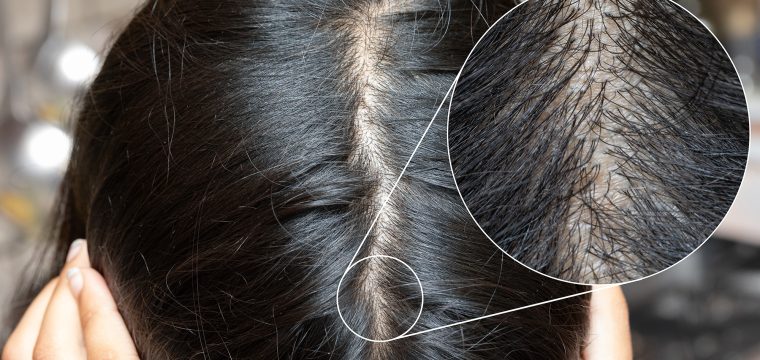
Telogen effluvium occurs when a larger-than-normal number of hairs enter the resting phase and then shed after several months. Triggers include major illness, surgery, rapid weight loss, hormonal shifts and severe stress.
If Mounjaro leads to rapid weight loss or significant physiological change, telogen effluvium becomes a plausible explanation. This type of hair loss often resolves once the trigger stabilises.
How to Recognise Hair Loss from Mounjaro
- Timing: Telogen effluvium typically starts two to four months after the triggering event. If you began losing hair within that window after starting Mounjaro, the medication or its effects may be involved.
- Pattern: Telogen effluvium causes diffuse thinning across the scalp rather than a receding hairline or isolated bald patches. Androgenetic alopecia, or pattern hair loss, looks different and follows a predictable pattern.
- Associated changes: Rapid weight loss, fatigue, nutritional issues or changes in general health often accompany telogen effluvium.
- Family history: A genetic predisposition to pattern hair loss can complicate the picture. If you already have early signs of androgenetic alopecia, additional stressors may accelerate thinning.
If you suspect Mounjaro and hair loss are linked, see a clinician for a structured assessment. Hair Doctors evaluate medical history, timing and pattern and order tests when needed to find the true cause.
Can Hair Loss from Mounjaro Grow Back?
Yes, in many cases. Hair loss caused by telogen effluvium typically resolves once the trigger passes and the body returns to a stable state. Regrowth usually begins within three to six months and continues for up to a year. If the underlying issue persists, shedding may continue.
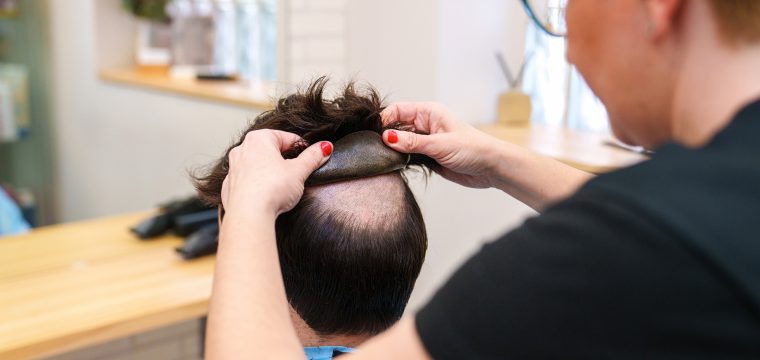
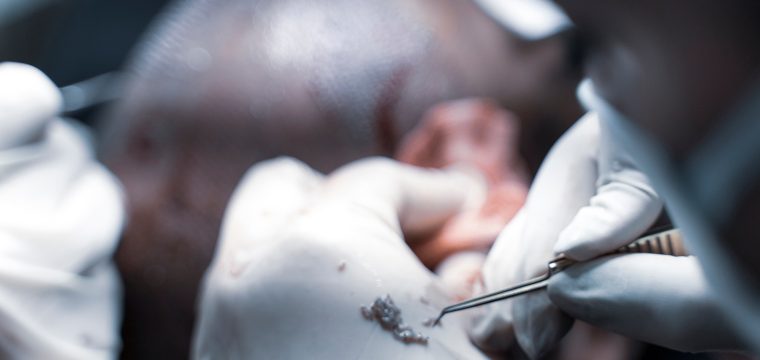
If the cause is androgenetic alopecia, stopping Mounjaro will not reverse the genetic miniaturisation of follicles. However, effective treatments can slow progression and may restore some density. Hair Doctors offers medical treatments, non-surgical options and hair transplants to support healthy hair growth.
Practical Steps to Manage Hair Loss
Monitor and document changes
Take standardised photos of your scalp monthly. Note the date you started Mounjaro, any rapid weight loss and other health changes. Clear records help clinicians identify patterns and make informed recommendations.
Check nutrition and address deficiencies
Rapid weight loss can reduce intake of protein, iron, zinc, biotin and other nutrients important for hair growth. Ask your clinician for blood tests, including full blood count, ferritin, thyroid function, and vitamin D. Correcting nutritional deficiencies often supports regrowth.
Manage the rate of your weight loss
If possible, aim for a gradual weight reduction plan. Sudden, large drops in weight place stress on the body and increase the risk of telogen effluvium. Discuss your goals with your prescribing doctor to balance metabolic benefits with overall health.
Avoid unnecessary stressors
Medical procedures, acute illness and psychological stress can add to the triggers for shedding. Good sleep, stress management and a balanced diet may reduce cumulative risk.
Consider supportive treatments early
Low-level laser therapy, growth factors and platelet-rich plasma are additional non-surgical options to consider.
Do not stop medication without medical advice
Do not stop Mounjaro without consulting the prescribing doctor. Stopping a diabetes or weight management medication abruptly can have significant health consequences. If you and your clinician determine the medication contributes to hair loss, you can plan a safe approach, adjusted dosing or an alternative therapy.
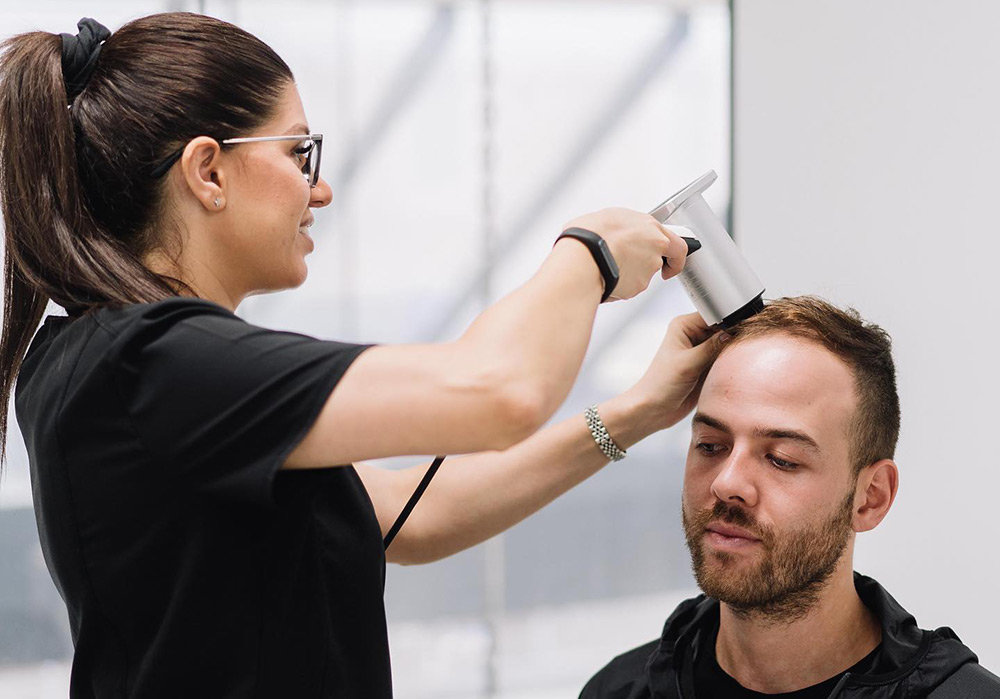
After assessment, Hair Doctors will help you explore treatment options for hair loss, from medical therapies to non-surgical procedures and surgical hair transplantation.
Book a Hair Loss Evaluation in Sydney or Melbourne
Reports linking Mounjaro and hair loss require careful interpretation. While direct evidence remains limited, the medication can contribute to hair shedding indirectly through rapid weight loss and physiological stress. In many cases, the effect proves temporary and manageable. In other cases, a pre-existing tendency to pattern hair loss becomes more apparent.
If you are concerned about Mounjaro and hair loss, start with a clinical assessment. Take clear photos, note timelines and discuss nutritional screening with your doctor. Hair Doctors offers scalp assessments, evidence-based non-surgical and surgical treatment options and plans to help you manage hair loss while looking after your overall health.
If you notice persistent thinning or increased shedding after starting Mounjaro, book a consultation with Hair Doctors in Sydney or Melbourne. We will assess causes, explain your options and discuss a treatment plan.
FAQs
How soon after starting Mounjaro might hair fall out?
If shedding is related, it usually appears around two to four months after a trigger such as rapid weight loss or a significant change in the body. This delay is typical of telogen effluvium, where hair shifts into a resting phase before shedding becomes noticeable.
Is hair loss a side effect of Mounjaro or an indirect effect?
Hair loss associated with Mounjaro is generally considered an indirect effect rather than a direct side effect of the medication. It is more often linked to rapid weight loss, reduced calorie intake, or nutritional changes that can temporarily disrupt the hair growth cycle.
Are women at risk of Mounjaro and hair loss differently than men?
Women may be more likely to notice diffuse shedding linked to telogen effluvium, particularly during periods of rapid weight loss or dietary change. While both men and women can be affected, the underlying pattern of hair loss may present differently and should be assessed separately.
What treatments help if Mounjaro-related shedding occurs?
Management usually focuses on addressing the underlying trigger, such as optimising nutrition and ensuring adequate intake of key vitamins and minerals. In some cases, topical treatments may help support regrowth, while persistent or progressive hair loss may require further medical assessment.

About The Author
Dr. Ossman Ashraf
In 2009, Dr Oz graduated from the University of Dundee, UK with a qualification in Men’s Health and Aesthetic Medicine. He then furthered his qualifications in medical education and is currently the Medical Advisor/Educator for MOSH, Australia’s leading online Men’s Health platform. He is accredited by the London Hair Restoration Academy and specialises in using the most up-to-date micro FUE extraction and DHI implantation techniques for transplant surgery.