Last updated on February 20, 2026
If you have ever looked in the mirror and thought, why is my hairline uneven, you are not alone. An uneven hairline is one of the most common concerns seen in both men and women, and it can appear gradually or seem to develop almost overnight. For some people, it is a subtle imbalance, while for others it becomes more noticeable with changes in hair density or recession on one side.
The good news is that an uneven hairline is rarely random. In most cases, there is a clear explanation behind it, and there are proven ways to address it. Understanding the cause is the first and most important step towards finding the right solution.
What does an uneven hairline actually mean?
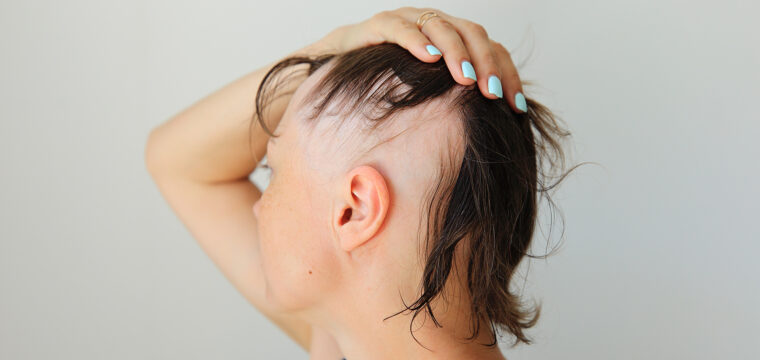
An uneven hairline refers to a visible imbalance in the position, shape, or density of hair along the frontal hairline. This might show up as one temple receding faster than the other, a higher corner on one side, or thinner hair along part of the hairline while the rest appears stable.
Some degree of asymmetry is completely natural. Human faces are not perfectly symmetrical, and neither are hairlines. The issue arises when the difference becomes noticeable, progressive, or linked to ongoing hair loss.
Common reasons for an uneven hairline
So, why does an uneven hairline happen?
Natural facial and hairline asymmetry
Many people are born with slight differences between the left and right sides of the face and scalp. This includes the hairline. In these cases, the uneven hairline has often been present since adolescence and may not change significantly over time.
This type of unevenness usually does not involve thinning or miniaturisation of hair. The hair remains strong and healthy on both sides, just positioned differently.
Pattern hair loss developing unevenly
One of the most common answers is early pattern hair loss. Androgen-related hair loss often starts asymmetrically, particularly at the temples.
One side may show recession or thinning first, creating the appearance of an uneven hairline. Over time, the other side may follow, but the imbalance can remain visible for years if left untreated.
Hormonal changes and medical factors
Hormonal shifts can influence hair growth cycles and affect certain areas more than others. This is particularly relevant for women experiencing post-pregnancy changes, perimenopause, or menopause.
Medical conditions, nutrient deficiencies, and some medications can also contribute to uneven thinning along the hairline rather than uniform shedding.
Traction and styling habits
Repeated tension on the hairline can lead to traction-related hair loss. Tight hairstyles, habitual parting on one side, or frequent heat and chemical styling can weaken follicles unevenly.
Over time, this may result in thinning that appears more pronounced on one side of the hairline.
Scalp health and inflammation
Underlying scalp conditions, such as inflammation, poor circulation, or blocked follicles can interfere with healthy growth in specific areas. If one side of the scalp is more affected, an uneven hairline can develop as a result.
Can an uneven hairline grow back?
This is one of the most common questions people ask. The answer depends on the underlying cause and how early it is addressed.
If the uneven hairline is caused by miniaturisation of follicles rather than permanent follicle loss, regrowth is often possible. Hair follicles that are still active but weakened can respond well to evidence-based medical hair growth treatments.
When hair loss has progressed to the point where follicles are no longer producing hair, regrowth through medical treatment alone becomes unlikely. In these cases, a hair transplant may be considered.
A detailed scalp assessment is essential to determine which follicles are recoverable and which are not.
Does minoxidil fix an uneven hairline?
Minoxidil can be effective for some people, particularly in the early stages of thinning. It works by extending the growth phase of the hair cycle and improving blood flow to follicles.
However, results vary. Minoxidil may improve density and slow progression, but it does not address all causes of an uneven hairline. It also requires ongoing use, and results can plateau over time.
This is why many clinics now take a broader, tailored approach rather than relying on a single treatment option.
Can stress cause an uneven hairline?
Stress can contribute to hair shedding through a condition known as telogen effluvium. This type of shedding is usually diffuse, but it can sometimes appear more noticeable in certain areas, including the hairline.
Stress may also worsen existing pattern hair loss, making asymmetry more visible. Managing stress alone may not correct an uneven hairline, but it plays an important role in overall hair health and treatment outcomes.
How to fix uneven hairline issues effectively
The most effective treatment plan always begins with understanding what is happening beneath the surface. Advanced scalp imaging and analysis can reveal follicle health, density variations, and early miniaturisation that may not be visible to the naked eye.
Medical hair growth treatments
Medical hair growth treatments can be highly effective for improving density and stabilising an uneven hairline when follicles are still viable. Options may include:
- Growth factor therapy to support follicle activity
- Exosomes treatment to promote cellular repair and signalling
- DHI blockers to reduce the impact of hair loss triggers
- Scalp mesotherapy to improve nutrient delivery and scalp health
These treatments are tailored for both men and women and selected based on individual scalp findings rather than a one-size-fits-all approach.
Lifestyle and scalp care support
Improving scalp health, adjusting styling habits, and addressing contributing factors such as inflammation or nutritional gaps can support treatment results. While these steps alone rarely correct an uneven hairline, they help protect long-term outcomes.
Hair transplant solutions for lasting correction
When hairline unevenness is due to permanent follicle loss, hair transplantation may offer the most predictable and lasting solution.
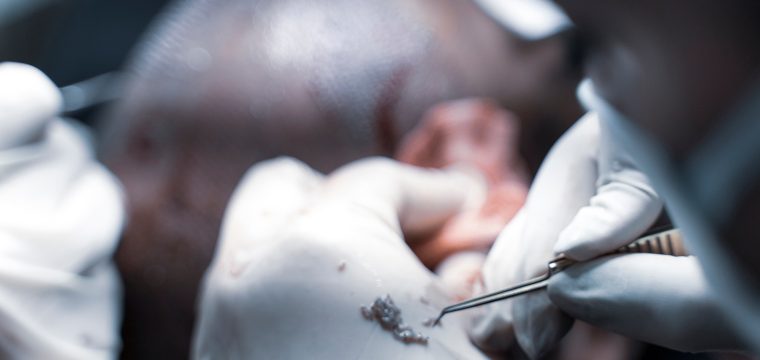
Modern FUE and DHI hair transplants allow for precise placement of individual follicles, making it possible to correct asymmetry and create a balanced, natural-looking hairline. These techniques are suitable for both men and women and can be tailored to address subtle irregularities rather than full reconstruction.

Treatment for an uneven hairline starts with an accurate diagnosis to understand whether follicles are weakened or permanently lost. At Hair Doctors, personalised medical hair growth treatments or precise FUE and DHI hair transplants are used to restore balance and support long-term hair health.
Why expertise matters with uneven hairlines
Correcting an uneven hairline requires more than technical skill. It demands an understanding of facial proportions, natural hairline patterns, and future hair loss progression.
The best-rated hair clinic in Australia combines medical expertise, advanced technology, and a results-driven approach to ensure outcomes that look natural and age-appropriate. State-of-the-art facilities, evidence-based protocols, and advanced AI analysis all contribute to safer planning and more predictable results.
Flexible payment plans from $35 per week also make treatment accessible without compromising on quality.
Get your hairline assessed by an experienced hair restoration clinic
If you are concerned about an uneven hairline, the most important step is early assessment. The sooner the cause is identified, the more options are available to manage or correct it effectively.
A personalised consultation provides clarity on what is happening with your hairline and which treatments are most likely to deliver meaningful results.
FAQs
How can I fix an uneven hairline without surgery?
Non-surgical options for treating an uneven hairline include growth factor therapy, exosomes treatment, scalp mesotherapy, and medical hair growth treatments. These work best when follicles are still active. Hair Doctors designs tailored treatment plans for men and women, including medical treatments and hair transplantation. Contact the clinic to discuss suitable options.
Are hair transplants suitable for uneven hairlines?
Yes. FUE and DHI hair transplants allow precise correction of asymmetry in your hairline by placing individual follicles where density is lacking. Hair Doctors specialises in refined hairline work using advanced techniques. Book a consultation to see if transplantation is appropriate for your hairline concerns.
Can women develop an uneven hairline?
Absolutely. Hormonal changes, traction, and genetic hair loss can all affect women. Treatment requires careful diagnosis and tailored planning. Hair Doctors in Sydney, Melbourne, and Parramatta provides medical hair growth treatments and hair transplant solutions designed specifically for women. Contact us today to learn more about our assessment process and treatment options.
Will an uneven hairline keep getting worse?
An uneven hairline can continue to progress, particularly if linked to progressive hair loss. Early intervention helps slow progression and preserve existing hair. Hair Doctors takes an evidence-based, result-driven approach to protect long-term hair health. Contact our clinics in Sydney, Melbourne, or Parramatta today.

About The Author
Dr. Ossman Ashraf
In 2009, Dr Oz graduated from the University of Dundee, UK with a qualification in Men’s Health and Aesthetic Medicine. He then furthered his qualifications in medical education and is currently the Medical Advisor/Educator for MOSH, Australia’s leading online Men’s Health platform. He is accredited by the London Hair Restoration Academy and specialises in using the most up-to-date micro FUE extraction and DHI implantation techniques for transplant surgery.

Hussein B

After years of research, calling and consulting with different hair transplant surgeons across Sydney, I can definitely say Hair Doctors Australia is the best in the business. If you’re after qualified hair transplant surgeons who actually put their patients best interests first, look no further.

Samuel Levi
From the first initial consult, to my first day of surgery I can not highly recommend the team here at the Bondi clinic enough. So professional, and friendly, plus answered every question and worry I had, that was running through my mind. It made the entire process seamless. I’ll be recommending them whole heartedly to anyone who was in a similar situation to me, and wanting a hair transplant.