Last updated on February 24, 2026
When people research hair transplants, they often focus on graft numbers, techniques, or headline promises. One factor matters more than most realise and yet receives far less attention: the hair transplant graft survival rate. This single measure plays a defining role in how natural, dense, and lasting the final outcome will be.
At Hair Doctors, graft survival is treated as a clinical priority, not a marketing statistic. Every stage of treatment is designed to protect each follicle and give it the best possible environment to grow. Understanding why this matters helps patients make better decisions and avoid disappointment later on.
What Is The Hair Graft Survival Rate?
The hair transplant graft survival rate refers to the percentage of transplanted hair follicles that successfully adapt to their new location and continue producing hair long term. A high survival rate means more of the implanted grafts grow as expected. A low rate means patchiness, reduced density, or the need for additional treatment.
In simple terms, it is not how many grafts are placed that matters most. It is how many remain healthy and productive months and years later.
Clinical studies consistently show that survival rates vary widely between clinics. Technique alone does not explain this difference. The real drivers are experience, handling, planning, and aftercare.
Why Graft Survival Directly Impacts Results
Understanding how graft survival rate affects hair transplant results helps explain why outcomes can differ even when the same technique is used.
Each graft contains living tissue. Once removed from the donor area, it becomes vulnerable to dehydration, temperature changes, physical trauma, and delays in placement. Poor handling at any stage can compromise the follicle before it ever reaches the scalp.
When survival rates are high:
- Hair grows evenly and predictably
- Density appears natural rather than thin or see-through
- The hairline blends smoothly with existing hair
- Long-term coverage remains stable
When survival rates drop:
- Gaps and uneven growth become noticeable
- Overall density falls short of expectations
- Further treatment may be required
This is why the importance of graft survival in hair restoration cannot be overstated. It determines whether a treatment meets expectations or falls short.
The Science Behind Graft Viability
Hair follicles are mini organs with complex biological needs. Once relocated, they rely on blood supply, oxygen, and nutrients to survive. The first few days after placement are critical.
Research published in peer-reviewed dermatology journals highlights several key factors that influence survival:
- Time grafts spend outside the body
- Hydration and storage solutions
- Trauma during extraction and placement
- Recipient site preparation
- Scalp health and circulation
Clinics that follow evidence-based protocols consistently report higher survival rates. Those that rush procedures or cut corners see the opposite.
Why Technique Alone Is Not Enough
FUE and DHI hair transplants for men and women are advanced techniques, but technique alone does not guarantee success. The same method can produce very different outcomes depending on who performs it and how it is managed.
High graft survival depends on:
- Precise extraction that protects the follicle
- Minimal handling and reduced air exposure
- Controlled placement depth and angle
- Strategic spacing to support blood flow
At Hair Doctors, these steps are guided by detailed planning and supported by state-of-the-art facilities and technology. Every decision is made with graft preservation in mind.
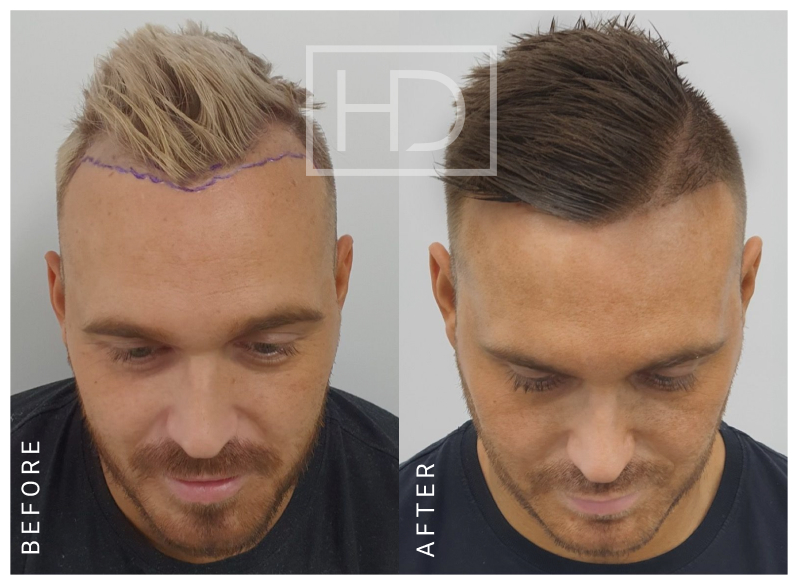
Through meticulous graft handling, advanced DHI and FUE hair transplant techniques, and evidence based aftercare, we create the ideal conditions to support hair graft survival rates of over 90%. Every step of treatment is designed to protect follicle health and promote consistent, natural growth.
The Role of Scalp Health in Graft Survival
One often overlooked factor is the condition of the scalp before treatment. Poor circulation, inflammation, or underlying hair loss conditions can reduce survival rates even when graft handling is excellent.
This is why Hair Doctors uses the most advanced AI driven scalp analysis available. This technology allows clinicians to:
- Assess scalp health in detail
- Identify inflammation or miniaturisation
- Map thinning patterns accurately
- Personalise treatment plans
By addressing scalp issues early, the environment for graft survival improves significantly.
Medical Hair Growth Treatments That Support Survival
Supporting grafts does not stop once placement is complete. Medical hair growth treatments play an important role in strengthening results and protecting surrounding hair.
At Hair Doctors, evidence based options include:
- Plasma Growth Factor Treatment
- Exosomes treatment
- DHI blockers
- Scalp mesotherapy
These treatments help improve circulation, reduce shedding, and support healthier growth conditions. When used appropriately, they can enhance graft survival and protect existing hair.
Experience Makes a Measurable Difference
Data from long-term follow-up studies show that clinics specialising solely in hair loss achieve more consistent outcomes. Experience leads to refined protocols and fewer avoidable errors.
Hair Doctors focuses exclusively on hair loss diagnoses and treatments. This singular focus allows for:
- Highly consistent clinical standards
- Ongoing refinement of graft handling techniques
- Better anticipation of individual risk factors
Being recognised as the best rated hair clinic in Australia reflects not just patient satisfaction, but reliable clinical outcomes.
Why Cutting Costs Can Cost You More
Low-cost hair transplants often rely on speed and volume. While they may advertise large graft numbers, survival rates are rarely discussed.
Common issues in low-cost settings include:
- Extended graft exposure time
- Inexperienced handling
- Limited aftercare support
- Minimal scalp assessment
A lower upfront cost can result in poorer growth and the need for corrective treatment later. High graft survival reduces the likelihood of this scenario.
Long-Term Thinking Leads to Better Outcomes
Hair restoration is not about short-term appearance. It is about creating results that hold up over time. High graft survival supports long-term density and reduces stress on the donor area.
This long-term approach is why Hair Doctors emphasises:
- Conservative hairline planning
- Protection of donor reserves
- Ongoing monitoring and support
Payment plans from $35 per week also make high-quality care more accessible without compromising standards.
Choosing a Clinic That Prioritises Graft Survival
When evaluating clinics, patients should ask direct questions about graft survival rate and the protocols used to protect follicles. Clinics that take this seriously will explain their process clearly.
At Hair Doctors, transparency, research, and results guide every recommendation. Patients are supported from consultation through long-term follow-up across our Sydney, Hampton and Melbourne locations. Book your hair transplant consultation today.
FAQs
What is the survival rate for hair transplant grafts?
Survival rates vary depending on technique, experience, and aftercare. Well-managed treatments often achieve high survival, meaning most grafts continue to grow long term. At Hair Doctors, protocols focus on protecting each follicle through careful handling, advanced scalp analysis, and evidence-based support treatments. To understand what this means for your hair, book a consultation at one of our clinics.
Why does graft survival matter more than graft numbers?
High graft numbers mean little if survival is poor. The hair transplant graft survival rate determines density, coverage, and long-term satisfaction. Clinics that focus on quality over quantity deliver more predictable results. Hair Doctors prioritises survival through meticulous planning and handling. Speak with our team to understand how this approach benefits you.
Does scalp health affect graft survival?
Yes. Inflammation, poor circulation, or ongoing hair loss can reduce survival rates. Advanced AI driven scalp analysis at Hair Doctors identifies these risks early. Treatment plans may include medical hair growth therapies to improve conditions before and after treatment. Contact us to assess your scalp health and suitability.
Can medical treatments improve graft survival?
Medical treatments can support the scalp environment and reduce shedding around transplanted areas. Options like scalp mesotherapy, DHI blockers, and Plasma Growth Factor Treatment are used when clinically appropriate. Hair Doctors integrates these treatments into evidence based care plans. Book a hair transplant consultation to explore supportive therapies.
About The Author
Dr. Ossman Ashraf
In 2009, Dr Oz graduated from the University of Dundee, UK with a qualification in Men’s Health and Aesthetic Medicine. He then furthered his qualifications in medical education and is currently the Medical Advisor/Educator for MOSH, Australia’s leading online Men’s Health platform. He is accredited by the London Hair Restoration Academy and specialises in using the most up-to-date micro FUE extraction and DHI implantation techniques for transplant surgery.