Last updated on October 13, 2026
Seeing more hair than usual on your pillow can feel alarming, especially for people who already experience stress and anxiety. And ironically, losing your hair due to anxiety can make you feel even more anxious!
The reality is that anxiety can play a role in hair loss through both physiological stress responses and behaviour changes, such as increased hair pulling or altered sleep and diet.
By understanding how these factors interact, you can choose evidence-based steps to manage shedding, like improving sleep hygiene, addressing nutrition, practising stress reduction techniques and discussing assessment options with an appropriate healthcare professional.
How Anxiety Can Cause Hair Loss
Anxiety affects the body in many different ways, some of which can disrupt the hair growth cycle and increase behaviours that damage hair.
Telogen Effluvium
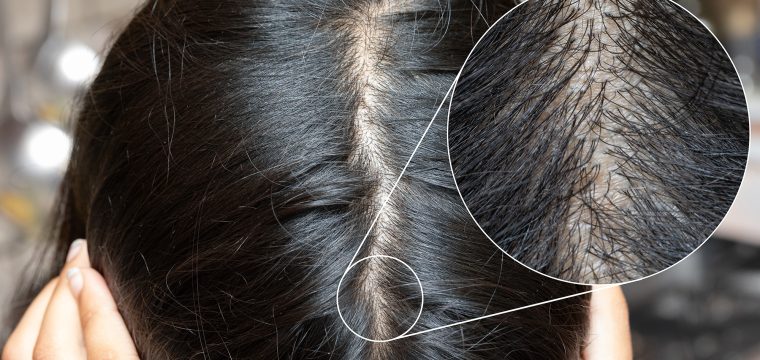
Telogen effluvium is a common cause of sudden, diffuse hair shedding. Hair cycles through growth and resting phases. A significant physical or emotional stressor can push many hairs into the resting phase at once, so noticeable shedding appears two to three months later. Acute or chronic anxiety may act as such a stressor.
Trichotillomania and Compulsive Behaviours
Some people respond to anxiety by pulling or picking at their hair. Trichotillomania involves repeated hair pulling that results in hair loss and often occurs alongside anxiety disorders. The pattern is typically localised and irregular, where pulling happens.
Alopecia Areata and Immune System Effects
Alopecia areata is an autoimmune condition that causes well-defined, often circular patches of hair loss. Psychological stress can influence immune function and may precipitate or worsen autoimmune responses in people with a predisposition. Anxiety can be a contributing factor, but not a confirmed sole cause.
Lifestyle and Indirect Effects
Anxiety can disrupt sleep, appetite and self-care. Poor diet, nutrient shortfalls and irregular sleep negatively affect hair growth and may contribute to shedding. Certain treatments for mental health can also list hair thinning as a possible side effect; discussing treatment options with a healthcare professional can clarify risks.
Recognising Patterns Associated with Anxiety-Related Hair Loss
- Timing – Telogen effluvium commonly begins two to three months after a significant stressor. A temporal link between increased anxiety and later shedding is typical.
- Distribution – Diffuse thinning across the scalp suggests telogen effluvium. Localised, irregular loss suggests trichotillomania. Round or oval smooth patches suggest alopecia areata.
- Associated signs – Increased hair on brushes or pillows, hair that pulls out easily, scalp tenderness, nail changes, or compulsive behaviours may provide diagnostic clues.
Assessment and Evaluation
A detailed history and scalp examination are central to assessment. Key elements include recent life stressors, onset and pattern of hair loss, hair care routines, current treatments and family history. Assessment may include:
- Hair pull test
A gentle tug on small bundles of hair can indicate active shedding when multiple hairs come out. - Scalp dermoscopy
A handheld scope helps distinguish telogen effluvium, alopecia areata and other conditions. - Blood tests
Thyroid function, ferritin, vitamin D, and other blood markers help identify contributing medical conditions such as iron deficiency, thyroid disease, vitamin D deficiency, nutritional deficiencies or other systemic disorders. - Scalp biopsy
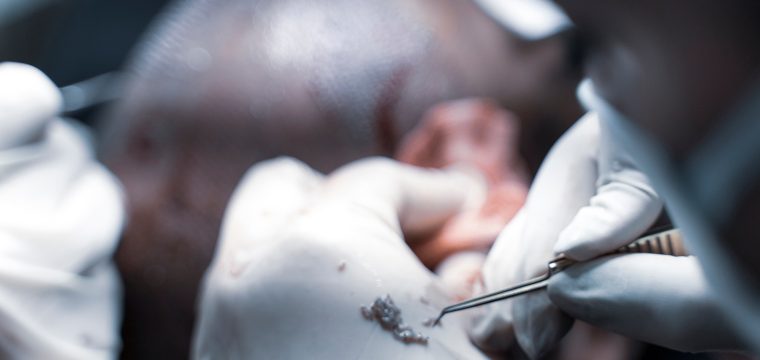
In uncertain cases, a small biopsy can help diagnose scalp conditions.
What the Research Shows
Clinical and mechanistic research supports psychological stress, including chronic anxiety, as a trigger for telogen effluvium. Stress hormones and inflammatory mediators can alter the hair follicle environment, shifting hair into the resting phase.
Stress-related immune changes also appear linked to alopecia areata in predisposed individuals. Large long-term population studies remain limited, but current evidence and clinical experience indicate a meaningful association between anxiety and hair shedding.
Practical, Clinically Appropriate Approaches to Management of Anxiety and Hair Loss
If you are stressed, anxious, and noticing more hair loss than normal, the first step is always to speak to your doctor. Their recommendations may include:
Addressing Anxiety Symptoms
Managing anxiety reduces physiological stress responses and related behaviours. Options include psychological therapies, mind–body strategies such as breathing techniques and progressive muscle relaxation, mindfulness practices and regular moderate exercise. Discuss treatment choices and potential side effects with a healthcare professional.
Managing Hair-Pulling Behaviours
Behavioural interventions like habit reversal training can reduce hair-pulling and support recovery. These interventions focus on identifying triggers, increasing awareness and replacing pulling with alternative actions.
Nutritional and Sleep Support
Maintaining good nutrition, adequate protein intake, and iron, zinc, vitamin D, and B vitamin levels may support hair health. Ferritin, the iron storage marker, is commonly assessed in hair loss evaluations. Correcting deficiencies under medical supervision and improving sleep hygiene may contribute to recovery.
Review Current Treatments
If a treatment is suspected of contributing to hair thinning, discussing alternatives or adjustments with the prescriber is appropriate. Any treatment changes should be made under professional guidance.
Topical and Medical Hair Treatments
When diffuse thinning persists, medical hair treatments may be considered. Options include topical therapies and clinic-based procedures that complement other interventions. Treatments used for androgenetic alopecia may not be appropriate or necessary for acute telogen effluvium. A hair doctor can explain suitability, expected timelines and potential outcomes.
Gentle Hair Care
Adjust your hair care routine to reduce mechanical and chemical stress on hair to prevent additional breakage. Recommendations include avoiding tight hairstyles, limiting heat and harsh chemical treatments and using mild hair care products.
Typical Recovery and Timelines
In telogen effluvium, shedding often slows within months after the precipitating stressor is reduced, and regrowth becomes visible around three to six months. Full recovery commonly occurs within six to 12 months.
- Outcomes vary when hair-pulling or an ongoing medical condition contributes to loss.
- Alopecia areata outcomes are variable and may require targeted management.
- Patience is important because visible hair growth progresses slowly.
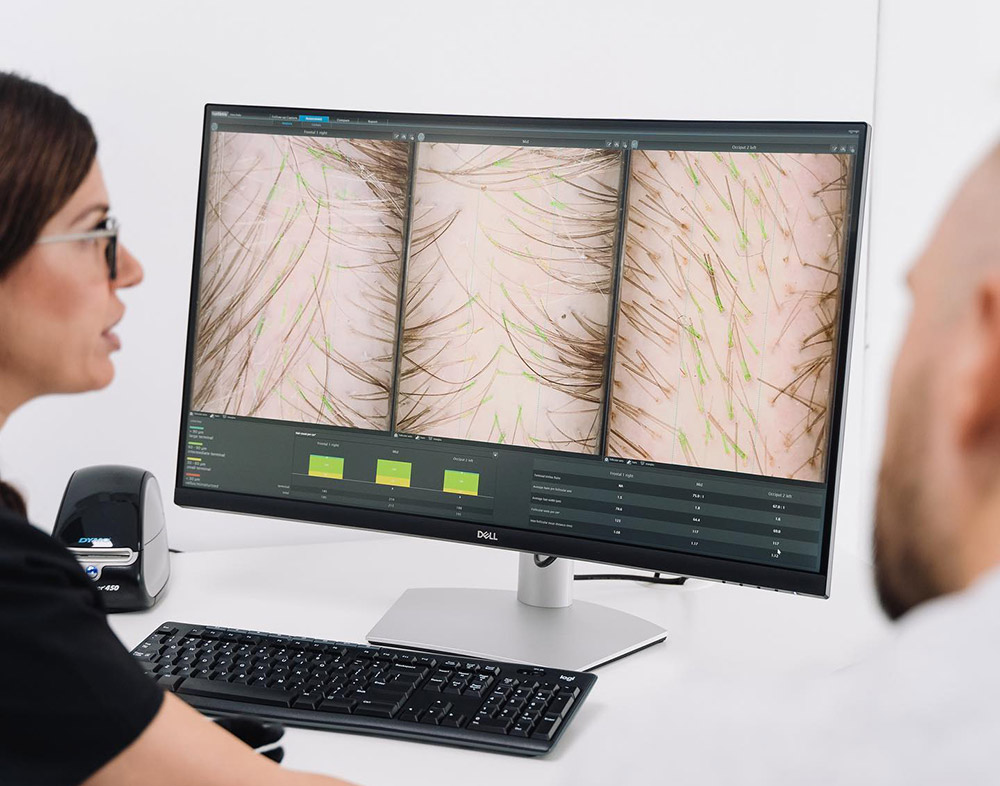
Hair Doctors in Sydney and Melbourne provide scalp assessments, diagnostic testing, and personalised treatment plans to address anxiety-related hair shedding.
When to Consult a Healthcare Professional
Consider consulting a healthcare professional if hair shedding is sudden, severe, or accompanied by visible thinning; if smooth patches of hair loss appear; if hair-pulling behaviours affect daily functioning; if shedding continues beyond six months; or if systemic symptoms like fatigue or weight change occur. A clinician can provide assessment, diagnostic testing and individualised management.
Understanding the relationship between anxiety and hair shedding supports informed conversations with healthcare professionals and guides appropriate evaluation and management. Combining mental health support with hair-focused care may improve the likelihood of reducing shedding and promoting recovery.
Hair Growth Assessment and Treatments for Men and Women
If you are wondering whether anxiety or something else is causing your hair loss, Hair Doctors offers a focused assessment and evidence-based pathways to diagnose the cause and discuss appropriate management options.
With doctor-led clinics in Sydney and Melbourne, you’ll receive care in a professional and supportive clinical environment. If you’re concerned about hair thinning, book a confidential consultation today.
FAQs
How long after anxiety will hair start to fall out?
Stress-related hair shedding usually appears around two to three months after a major period of anxiety or emotional stress. This delay happens because the hair growth cycle is disrupted before shedding becomes visible.
Will my hair fully regrow after anxiety-related shedding?
In many cases, yes. Anxiety-related shedding is often temporary, especially when the trigger is managed, and any nutritional or medical contributors are addressed. Regrowth can take several months, and recovery time varies depending on the severity and duration of shedding.
What tests should I have if I notice sudden hair loss?
Initial tests may include thyroid function, iron stores such as ferritin, vitamin D, B12, zinc and other blood markers, depending on your symptoms and medical history. A scalp examination can also help identify whether the shedding is stress-related or due to another cause.
Are there professional treatments useful for anxiety-related hair thinning?
Yes, professional treatments may help if shedding persists or if there are other contributing factors. Management may include correcting deficiencies, treating scalp conditions, supporting hair growth with topical or medical options, and addressing the underlying anxiety or stress trigger.

About The Author
Dr. Ossman Ashraf
In 2009, Dr Oz graduated from the University of Dundee, UK with a qualification in Men’s Health and Aesthetic Medicine. He then furthered his qualifications in medical education and is currently the Medical Advisor/Educator for MOSH, Australia’s leading online Men’s Health platform. He is accredited by the London Hair Restoration Academy and specialises in using the most up-to-date micro FUE extraction and DHI implantation techniques for transplant surgery.