Last updated on May 6, 2026
Hair loss is often linked to genetics or hormonal changes, but the health of the scalp plays an equally important role. The scalp is the environment where hair follicles live and function. When that environment becomes inflamed, infected, or disrupted by underlying conditions, hair growth can slow, weaken, or stop altogether.
Understanding how scalp conditions that cause hair loss develop is an important step in finding an appropriate treatment approach. Some conditions affect the scalp surface, while others disrupt the follicle itself. Identifying the signs early allows medical professionals to assess the cause and recommend evidence-based treatment options to improve scalp health.
This latest blog explains how to recognise common scalp problems linked to hair thinning, what symptoms to look for and when to seek professional evaluation.
Why Scalp Health Matters for Hair Growth
Each hair follicle sits within a small structure embedded in the scalp. These follicles rely on healthy skin, blood supply and stable cell turnover to produce strong hair strands. When the scalp becomes irritated or inflamed, several things can happen:
- Hair follicles may enter a resting phase prematurely
- Excess oil or debris can block follicle openings
- Inflammation may disrupt the hair growth cycle
- Infection can damage the follicle itself
Over time, these changes can contribute to scalp and hair loss, particularly when the underlying condition remains untreated. Some scalp disorders cause temporary shedding, while others can lead to long-term thinning if left unmanaged.
Common Scalp Conditions Linked to Hair Loss
Several medical conditions affect the scalp and can influence hair growth. Recognising their symptoms can help guide early diagnosis and treatment.
Seborrhoeic Dermatitis
Seborrhoeic dermatitis is one of the most common scalp disorders. It often appears as greasy scales, redness and irritation across the scalp. Typical symptoms include:
- Yellow or white flakes
- Itching or burning sensation
- Red patches of skin
- Increased scalp oil production
In some people, flaky scalp and hair loss in Melbourne occur together. The shedding is usually temporary and related to inflammation around the follicle. When the condition is treated effectively, hair growth often returns to normal. Triggers may include hormonal changes, stress, or sensitivity to yeast organisms that naturally live on the scalp.
Psoriasis of the Scalp
Psoriasis is an immune-related condition that causes rapid skin cell turnover. On the scalp, it causes thick plaques covered with silvery scales. Signs of scalp psoriasis and hair loss can include:
- Thick patches of raised skin
- Heavy scaling that may extend beyond the hairline
- Redness and irritation
- Temporary shedding in affected areas
Hair loss associated with psoriasis usually results from inflammation or repeated scratching rather than permanent follicle damage. Managing psoriasis with medical guidance can help reduce symptoms and allow hair follicles to recover.
Fungal Infections (Tinea Capitis)
Tinea capitis is a fungal infection of the scalp that can lead to patchy hair loss. It is more common in children but can also affect adults. Typical symptoms include:
- Round patches of hair loss
- Broken hair close to the scalp surface
- Scaly or inflamed skin
- Itching or tenderness
In more severe cases, swelling or pustules may develop. Prompt treatment is important because an untreated infection can lead to scarring that affects hair regrowth.
Folliculitis
Folliculitis occurs when hair follicles become inflamed due to bacterial infection, irritation, or blocked follicles. Signs may include:
- Small red bumps or pustules
- Tenderness around hair follicles
- Crusting or scabbing
- Localised hair shedding
Repeated inflammation can disrupt the hair cycle. In some cases, long-term follicle damage can occur if the condition persists without treatment.
Contact Dermatitis
Some hair care products, dyes, or topical treatments can trigger allergic or irritant reactions on the scalp. Symptoms often include:
- Redness or swelling
- Burning or itching
- Scaling or flaking
- Increased shedding in affected areas
A dry, itchy scalp and hair loss can sometimes develop when irritation disrupts the normal scalp barrier. Identifying and avoiding the triggering product is usually the first step in treatment.
Excess Sebum Production
The scalp naturally produces oil, known as sebum. While sebum helps protect the skin and hair, excessive production can clog follicles and cause inflammation. An oily scalp and hair loss may occur when oil combines with dead skin cells and debris around the openings of hair follicles. Common signs include:
- Greasy hair shortly after washing
- Itching or irritation
- Visible buildup around hair roots
- Increased dandruff or scaling
Managing oil production and maintaining good scalp hygiene can help reduce inflammation and support healthy follicle function.
Signs That a Scalp Condition May Be Affecting Hair Growth
Many scalp disorders produce visible symptoms before hair loss becomes noticeable. Early recognition can prevent progression. Look for the following warning signs:
- Persistent itching or irritation
- Flaking, scaling, or crusting
- Red or inflamed patches of skin
- Small bumps or pustules
- Sudden increase in shedding
Changes in hair texture or density may also signal underlying scalp issues. If these symptoms persist for several weeks, professional evaluation is recommended.
How Scalp Conditions Are Diagnosed
A thorough scalp assessment is essential to determine the cause of hair loss. Medical practitioners may examine:
- The pattern and location of hair loss
- Skin condition and inflammation
- Hair shaft strength and structure
- Signs of infection or scaling
In some cases, additional tests may be recommended, such as:
- Microscopic scalp analysis
- Skin swabs or cultures
- Blood tests to assess underlying health factors
Accurate diagnosis helps guide appropriate treatment strategies and prevents unnecessary interventions.
Treatment Options for Scalp-Related Hair Loss
Treatment depends on the underlying condition and the severity of symptoms.
Medical management may include:
Medicated topical treatments
These may help reduce inflammation, control fungal growth, or manage excessive oil production.
Prescription medications
In some cases, oral medications are required to treat infections or immune-related conditions.
Scalp therapies
Treatments designed to support scalp health may help create an environment conducive to hair growth.
Hair restoration procedures
When hair loss persists despite medical treatment, procedures such as hair transplantation may be considered once the scalp condition is controlled.
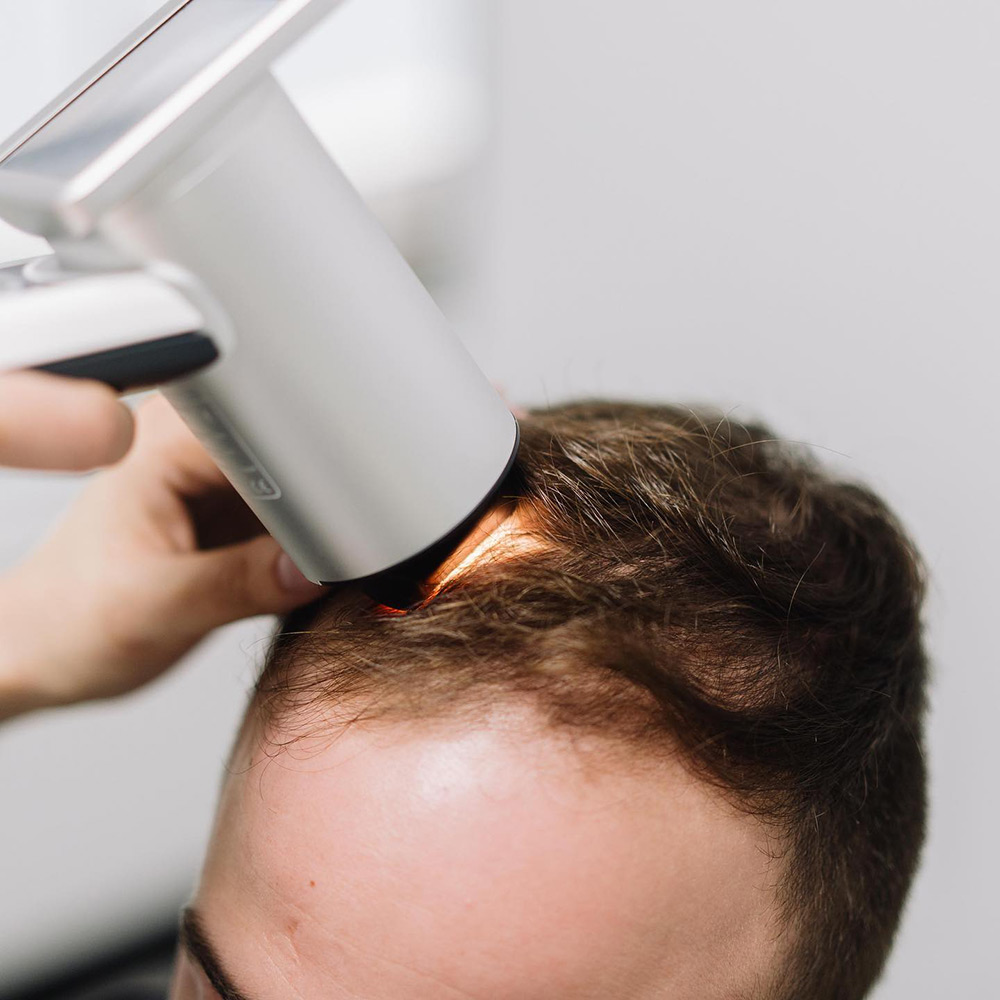
Medical hair treatments can help improve scalp health by addressing inflammation, irritation and underlying conditions that affect hair follicles. Medical treatments aim to manage underlying conditions and improve scalp health, which is an important factor for the hair growth cycle.
When to Get Medical Advice
Occasional shedding is normal. However, persistent scalp symptoms or visible thinning should not be ignored. Consider seeking professional advice if you experience:
- Ongoing itching or inflammation
- Persistent dandruff or scaling
- Patchy hair loss
- Sudden changes in hair density
- Pain or tenderness in the scalp
Early assessment can help identify treatable conditions before they lead to more significant hair loss.
Supporting Long-Term Scalp Health
Maintaining scalp health is key to protecting hair follicles. Helpful practices include:
- Using gentle hair care products
- Washing the scalp regularly to remove oil and debris
- Avoiding excessive scratching or friction
- Managing stress and overall health
- Seeking professional advice when symptoms persist
Regular scalp assessments may also help detect changes early. If you are experiencing symptoms such as a flaky scalp and hair loss, dry itchy scalp and hair loss, or persistent irritation, booking a consultation at Hair Doctors in Sydney, Melbourne or Hampton for a medical assessment can help determine the cause and discuss suitable treatment options.
FAQs
How do I figure out what is causing my hair loss?
Hair loss can occur for many reasons, including genetics, hormonal changes, medical conditions, medications, or scalp disorders. A thorough scalp examination and medical assessment are standard methods for identifying the cause. Doctors look at scalp health, hair density and growth patterns before recommending appropriate treatment options.
What scalp conditions can cause hair loss?
Several scalp conditions can contribute to hair shedding or thinning. Common examples include seborrhoeic dermatitis, psoriasis, fungal infections such as tinea capitis, folliculitis and inflammatory skin conditions. These issues can disrupt the hair growth cycle or affect follicle health.
Who should I see about scalp issues and hair loss?
If you are experiencing persistent scalp symptoms or hair loss, you can book a consultation at Hair Doctors in Sydney for a medical assessment of your condition and a discussion about potential treatment options.

About The Author
Dr. Ossman Ashraf
In 2009, Dr Oz graduated from the University of Dundee, UK with a qualification in Men’s Health and Aesthetic Medicine. He then furthered his qualifications in medical education and is currently the Medical Advisor/Educator for MOSH, Australia’s leading online Men’s Health platform. He is accredited by the London Hair Restoration Academy and specialises in using the most up-to-date micro FUE extraction and DHI implantation techniques for transplant surgery.