Last updated on October 9, 2026
Creatine remains one of the most studied and widely used supplements for strength, power and muscle recovery. Gym-goers and athletes often turn to creatine to build muscle, but a persistent question crops up in forums and consultations: Does creatine cause hair loss? So, let’s separate the facts from the noise, explain the likely mechanisms and offer you practical steps if you worry about hair thinning while using creatine.
What Science Tells Us About Creatine and Hair Loss
The most-cited study linking creatine to hair loss is a 2009 trial involving rugby players. Over three weeks, the participants loaded creatine and later maintained a lower daily dose. Researchers measured a significant rise in dihydrotestosterone or DHT, a potent androgen implicated in male pattern hair loss. DHT can bind to susceptible hair follicles and shorten the growth phase, causing gradual thinning in those genetically predisposed.
It is important to note three things about that study. First, the sample size was small and limited to young male athletes. Second, the study measured circulating DHT levels, not direct hair follicle changes. Third, subsequent research has not produced a large body of evidence confirming a direct causal link between typical creatine use and accelerated hair loss. In short, the 2009 paper points to a possible mechanism but stops short of proving that creatine causes hair loss in most users.
How Hair Loss Works: The Role of Genetics and Hormones
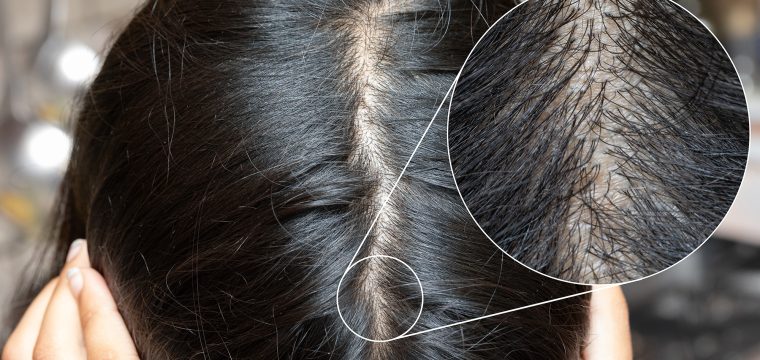
Understanding whether creatine and hair loss are connected requires a brief primer on androgenetic alopecia. This common form of hair loss, sometimes called male or female pattern baldness, results from genetic sensitivity of hair follicles to DHT. When DHT attaches to receptors on vulnerable follicles, it shortens the anagen or growth phase and gradually miniaturises the follicle. Over time, hair becomes finer and shorter until the follicle may stop producing hair.
Simply put, DHT matters only if your follicles are genetically sensitive. A temporary or modest increase in DHT may not cause visible hair loss in people without a genetic predisposition. That explains why some people worry about creatine and hair loss while others do not experience any change.
Does Creatine Raise DHT Enough to Trigger Hair Loss?
Creatine has not been consistently shown to raise DHT in the general population, as that claim is based largely on a single very limited study. Hair loss is more dependent on individual factors: genetics, baseline hormone levels, age and other health issues.
For a man already experiencing early androgenetic alopecia, an increase in DHT could theoretically accelerate thinning. For someone without genetic sensitivity, a temporary rise in DHT is unlikely to cause hair loss.
How Fast Does Creatine Cause Hair Loss?
If creatine were to contribute to hair thinning, the process would not be immediate. Hair loss from androgenic causes unfolds over months to years. You would not expect to see dramatic changes within days or weeks.
If you notice sudden hair shedding or rapid thinning within a short time after starting creatine, look for other causes such as stress, illness, medications, nutritional deficiencies or a telogen effluvium event. In most cases where creatine plays a role, any effect on hair would show gradually over months.
Can Hair Loss from Creatine Grow Back?
The answer depends on what caused the loss. If creatine triggered a temporary shift in hormones that caused increased shedding but hair follicles remained healthy, stopping the supplement could allow hair to recover over several months. This is similar to other reversible hair shedding events. If hair thinning reflects permanent follicle miniaturisation due to androgenetic alopecia, stopping creatine alone will not fully reverse the process.
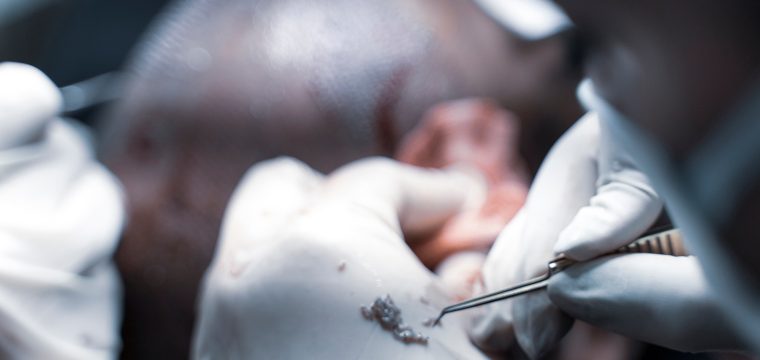
However, there are clinical treatments that can help improve hair density and support hair growth in many cases. These include medical therapies, non-surgical procedures such as platelet-rich plasma and surgical hair transplantation for established areas of baldness.
Practical Guidance for Creatine Users Who Worry About Hair Loss
If you are taking creatine and you want to take an active role in keeping your hair growing well, here’s what to do.
Assess your risk factors
Check family history. A pattern of baldness in close relatives increases the likelihood that DHT will affect your follicles. Consider age and existing signs of thinning. If you already notice a receding hairline or thinning at the crown, discuss the risks with a clinician before making decisions about supplements.
Monitor changes, do not panic
Take photos every month under consistent lighting if you want to track progress. Hair changes slowly. A measured approach allows you and your clinician to spot genuine trends rather than normal fluctuation.
Consider timing and dosage
Some people adopt a loading protocol when starting creatine that involves higher doses for a short period. If you are concerned, choose a moderate daily dose without a loading phase. Many studies show benefits from a maintenance dose of around 3 to 5 grams per day without the need for high loading doses.
Get medical testing
If you see increased shedding, get a clinical assessment. Hormone tests, nutritional screening and scalp examination can reveal other causes. Telogen effluvium, iron deficiency and thyroid problems are common contributors to hair shedding.
Discuss preventive options
For those at high genetic risk who wish to continue creatine, discussing preventive measures with a clinician makes sense. A medical professional can advise on suitability, side effects and monitoring.
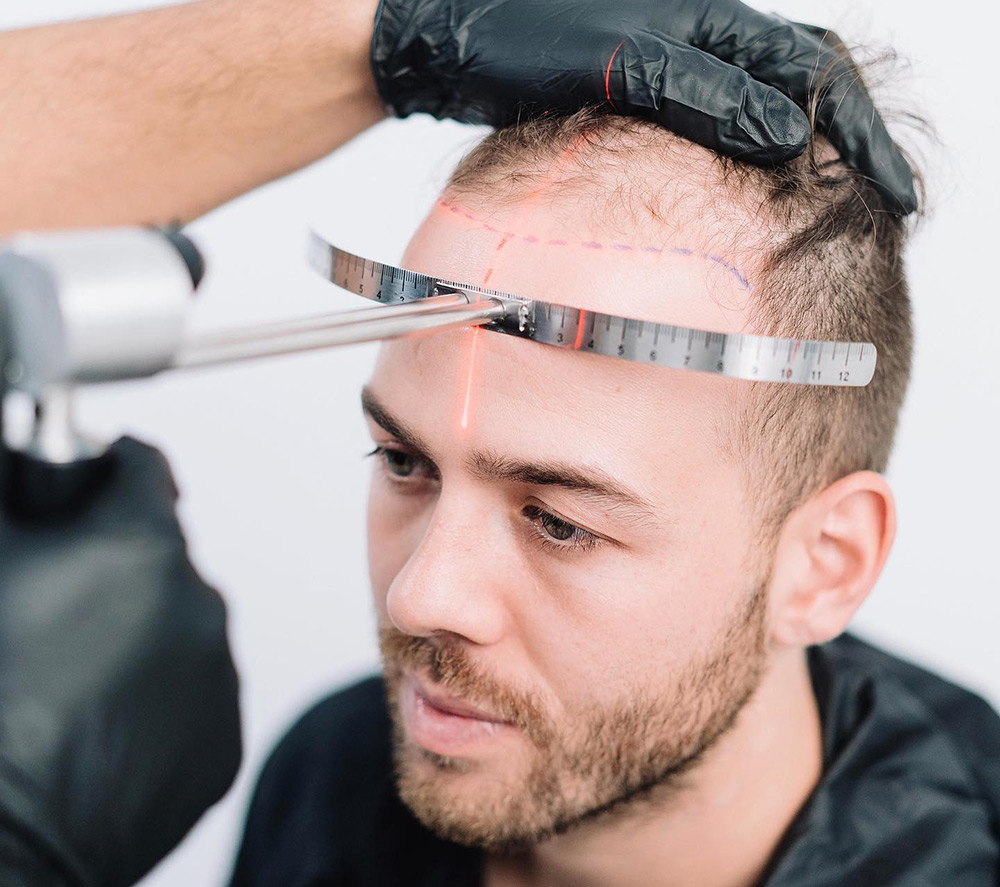
A professional hair and scalp analysis will help identify the cause of your hair loss and guide a treatment plan, including non-surgical treatments or a hair transplant.
Practical Takeaways to Keep in Mind
- Current evidence does not strongly show that creatine directly causes hair loss in most people, although some research has suggested it may influence DHT levels.
- DHT only becomes more relevant if you are genetically sensitive to it, which is why creatine may be a bigger concern for people already prone to pattern hair loss.
- Any possible creatine-related shedding would be expected to develop gradually over months, rather than appearing suddenly within a few days.
- Temporary shedding may improve once the trigger is removed, but progressive androgenetic hair loss usually needs proper assessment and targeted treatment.
- If you are worried about hair changes while taking creatine, monitor your hair over time and speak with a qualified clinician before stopping supplements or starting treatment.
When to Speak to a Hair Loss Doctor
If you notice persistent thinning, increased shedding or changes to your hairline, it’s best to book a hair loss assessment. Our team at our Sydney and Melbourne clinics evaluates causes of hair loss, discusses hair growth options including medical therapy and non-surgical treatments and, where appropriate, offers hair transplant procedures.
FAQs
Does creatine cause hair loss in everyone?
No. Creatine does not cause hair loss in everyone. Genetic sensitivity to DHT drives androgenetic alopecia. Creatine may raise DHT in some men, which could accelerate thinning if you are predisposed.
Are women at risk of hair loss from creatine?
Women experience androgenetic hair loss differently and are generally less sensitive to DHT than men. Limited research on creatine and women means risk appears low, but individual factors matter. If you notice increased shedding, get a clinical assessment.
What tests can rule out causes of hair loss?
Blood tests for thyroid function, iron studies, ferritin and hormonal panels can identify common reversible causes. Scalp examination, trichoscopy and digital imaging provide an objective assessment of hair density and miniaturisation.
About The Author
Dr. Ossman Ashraf
In 2009, Dr Oz graduated from the University of Dundee, UK with a qualification in Men’s Health and Aesthetic Medicine. He then furthered his qualifications in medical education and is currently the Medical Advisor/Educator for MOSH, Australia’s leading online Men’s Health platform. He is accredited by the London Hair Restoration Academy and specialises in using the most up-to-date micro FUE extraction and DHI implantation techniques for transplant surgery.