Last updated on April 8, 2026
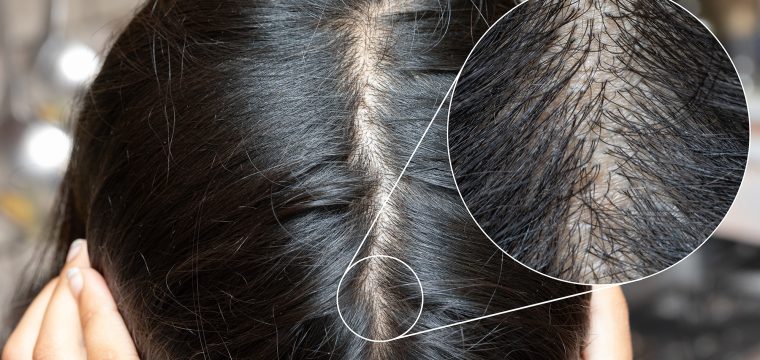
Hair loss can lead people to explore a wide range of treatment options. Two of the most commonly considered approaches are hair replacement systems and hair transplantation. While both are used to address visible thinning or bald areas, they differ significantly in how they work, the results they produce and the level of commitment involved over time.
Understanding these differences is key to choosing an option that aligns with your goals and expectations. In this latest blog post, we compare hair replacement vs transplant, breaking down how each option works, what results you can expect, and the ongoing care required to maintain them.
Understanding Hair Replacement Systems
A hair replacement system is a non-surgical solution that covers areas affected by hair loss, such as alopecia. These systems are sometimes referred to as hairpieces or non-surgical hair replacement.
A hair replacement system typically consists of a base made from materials such as lace or thin polyurethane, with hair attached to mimic natural growth. The system is placed over areas with thinning or no hair and secured using adhesive, clips, or other attachment methods.
Modern systems are more advanced than older hairpieces. High-quality designs can blend with existing hair and follow natural growth patterns. When fitted correctly and maintained properly, they can provide a natural appearance. However, it is important to understand that hair replacement systems do not restore hair growth. They act as a cosmetic covering for hair loss.
Who May Consider Hair Replacement
Hair replacement systems are sometimes considered by people who:
- Want a non-surgical approach
- Prefer immediate visual coverage
- Have extensive hair loss where surgical options may be limited
- Are not ready to consider surgical treatment
Some individuals also use hair replacement temporarily while exploring other treatments.
Hair Replacement Maintenance
One important aspect people often underestimate is hair replacement maintenance. These systems require ongoing care to remain secure and natural-looking.
Maintenance commonly includes:
- Regular removal and cleaning
- Reattachment using adhesive products
- Professional adjustments or refitting
- Replacement of the system over time
Many systems need maintenance every few weeks. Over time, wear and tear may require replacement of the entire system. This ongoing commitment can influence whether a hair replacement system is the right long-term choice.
Understanding Hair Transplant Surgery
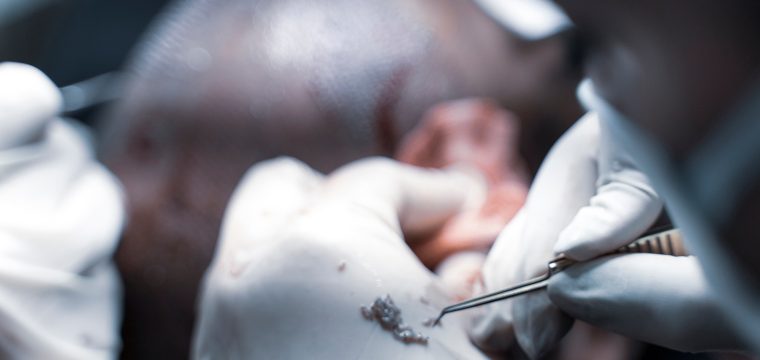
Hair transplants are medical procedures that help to restore natural hair growth in areas affected by thinning or baldness in both men and women. The process involves removing hair follicles from a donor area, usually the back or sides of the scalp and placing them into areas experiencing hair loss. These transplanted follicles continue to grow hair in their new location. Unlike hair replacement systems, a transplant works with the patient’s own hair.
What Makes Hair Transplants Different
Hair transplants aim to create lasting hair growth rather than covering hair loss. Once transplanted follicles establish a blood supply and begin to grow, they behave similarly to hair from the donor area. Because donor hair is typically resistant to common forms of hair loss, it can continue growing long-term.
This is one of the reasons hair transplantation is widely studied and performed globally. However, the procedure does require surgery, recovery time and careful planning of donor hair use and grafts.
Hair Replacement vs Transplant: Key Differences
When comparing hair replacement vs transplant options, several important factors come into play.
Permanence
Hair replacement systems provide temporary coverage. They must be maintained and replaced periodically. Hair transplants aim to produce hair growth from transplanted follicles, but you may require a second hair transplant if hair loss occurs in other areas.
Maintenance Requirements
Hair replacement requires ongoing maintenance appointments, cleaning and refitting. Hair transplantation requires recovery after surgery and follow-up care, but daily maintenance is similar to caring for natural hair once growth occurs.
Immediate vs Gradual Results
Hair replacement systems provide immediate visual coverage once fitted. Hair transplants require time. Transplanted hair usually sheds initially before new growth begins over several months.
Long-Term Considerations
Hair replacement systems involve continuous maintenance costs over time. Hair transplantation is usually performed in one or more stages, depending on the pattern of hair loss and the available donor hair.
Hair Transplant Pros and Cons
Anyone considering surgical treatment should understand the pros and cons of hair transplants before making a decision.
Potential Advantages
Hair transplantation offers several potential benefits:
- Uses the patient’s own hair follicles
- Aims to restore natural hair growth
- Results can last long-term when donor hair is used appropriately
- Once growth occurs, hair can be washed, cut and styled normally
Modern surgical techniques have improved precision and graft survival compared with earlier approaches.
Considerations
Hair transplantation also involves important considerations:
- It is a medical procedure requiring careful assessment
- Recovery time is needed after surgery
- Results develop gradually over months
- The number of grafts available depends on donor hair density
Experienced clinicians carefully evaluate donor hair availability and the progression of hair loss before recommending surgery.
Choosing the Right Option
Choosing between a hair replacement system and hair transplant surgery depends on several factors.
Pattern and Severity of Hair Loss
Some people experience early thinning, while others develop more extensive hair loss. The pattern of hair loss can influence which approach may be suitable. A medical assessment helps determine whether sufficient donor hair exists for transplantation.
Lifestyle Preferences
Some individuals prefer a non-surgical solution that provides immediate coverage. Others prefer a surgical approach to hair restoration. Lifestyle and willingness to commit to ongoing maintenance also play a role. For example, people considering a hair replacement system should understand the maintenance routine required to keep the system secure and natural-looking.
Long-Term Planning
Hair loss often progresses over time. Treatment decisions should take future changes into account. Hair transplant planning typically considers how hair loss may progress in the years ahead, helping preserve donor hair for future needs if necessary.
Professional Assessment
A medical consultation is an important step before choosing any treatment. Hair loss can occur for several reasons, including genetic factors, hormonal changes and medical conditions. A clinician can examine the scalp, review medical history and discuss available options.
Combining Treatments
In some cases, surgical and non-surgical approaches may both play a role in managing hair loss. For example, people who undergo hair transplantation may also use supportive treatments that aim to maintain existing hair or encourage growth in surrounding areas.
Some individuals may start with a hair replacement system and later consider surgical options after further consultation. The right strategy often depends on individual goals, hair characteristics and medical factors.
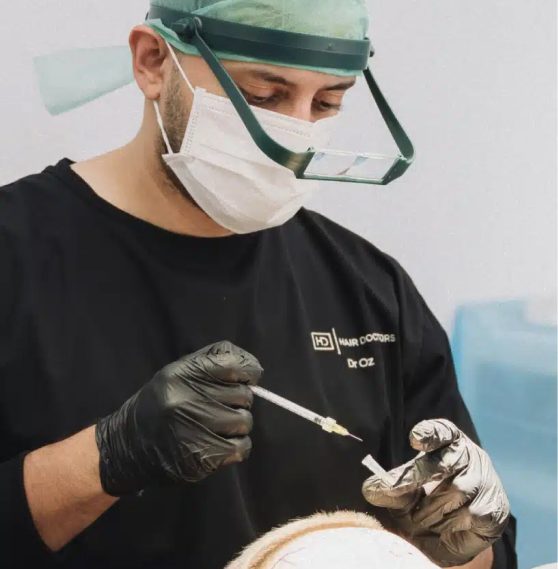
Our clinic offers FUE and DHI implantation methods. Post-procedure, patients receive a detailed aftercare plan to support recovery and graft survival.
Making an Informed Decision About Hair Loss Management
The choice between hair replacement and hair transplantation is not simply about appearance. It involves medical considerations, lifestyle preferences and long-term expectations. Understanding the differences between hair replacement vs transplant approaches can help people evaluate their options more clearly.
Hair replacement systems provide non-surgical coverage but require ongoing maintenance and replacement. Surgical hair transplantation aims to restore hair growth using the patient’s own follicles, though it is a medical procedure with a recovery period.
For anyone exploring treatment, the most important step is a hair transplant consultation. A thorough assessment helps determine the cause of hair loss, evaluate donor hair availability and explain suitable treatment pathways. If you are experiencing hair thinning or baldness, getting advice from clinicians can help you understand the available options and plan the next steps.
Hair Doctors is a clinic that focuses on diagnosing and treating hair loss. Our clinics in Sydney, Melbourne and Hampton provide hair restoration procedures and supportive treatments designed to address a wide range of hair loss conditions. You can arrange a consultation today to understand the potential treatment pathways for hair loss.
FAQs
How does hair replacement work?
Hair replacement involves attaching a hair replacement system to the scalp to cover areas affected by thinning or baldness. The system contains natural or synthetic hair secured to a lightweight base and fitted to blend with existing hair. It provides immediate visual coverage but does not restore hair growth.
How long does a hair replacement system last?
The lifespan of a hair replacement system depends on the materials used, lifestyle factors and the extent to which it is maintained. Many systems last several months before needing replacement, although regular adjustments and cleaning are required. Over time, wear and tear affect the base and hair fibres.
What is the difference between hair replacement and hair transplant?
Hair replacement systems cover hair loss using a fitted hairpiece attached to the scalp. A hair transplant is a medical procedure that moves existing hair follicles from a donor area to thinning areas. Replacement systems provide immediate coverage, while transplantation aims to restore natural hair growth over time.
Does a hair transplant stop future hair loss?
A hair transplant restores hair growth in the treated area using follicles taken from the donor region. However, it does not prevent future hair loss in untreated areas of the scalp. Hair loss can continue depending on genetic and medical factors. For this reason, clinicians often discuss ongoing hair loss management alongside surgical treatment.

About The Author
Dr. Ossman Ashraf
In 2009, Dr Oz graduated from the University of Dundee, UK with a qualification in Men’s Health and Aesthetic Medicine. He then furthered his qualifications in medical education and is currently the Medical Advisor/Educator for MOSH, Australia’s leading online Men’s Health platform. He is accredited by the London Hair Restoration Academy and specialises in using the most up-to-date micro FUE extraction and DHI implantation techniques for transplant surgery.

Hussein B

After years of research, calling and consulting with different hair transplant surgeons across Sydney, I can definitely say Hair Doctors Australia is the best in the business. If you’re after qualified hair transplant surgeons who actually put their patients best interests first, look no further.

Samuel Levi
From the first initial consult, to my first day of surgery I can not highly recommend the team here at the Bondi clinic enough. So professional, and friendly, plus answered every question and worry I had, that was running through my mind. It made the entire process seamless. I’ll be recommending them whole heartedly to anyone who was in a similar situation to me, and wanting a hair transplant.