Last updated on October 14, 2026
Choosing to look into hair restoration is a big decision. If you have started noticing thinning or a receding hairline, you probably have plenty of questions about what comes next. A hair transplant consultation is the first step in finding those answers. At Hair Doctors, we focus on providing a clear, medical look at your hair loss to help you decide on the right path forward.
A consultation is not a high-pressure sales pitch. Instead, it is a dedicated time to meet with a medical professional and receive a factual assessment of your scalp. Every person has a unique hair profile, so these sessions are designed to be informative and practical.
Why a Professional Assessment Matters
It is easy to get lost in the sea of online advice and hair loss products. However, hair loss is a medical condition that requires a proper diagnosis. During a hair restoration consultation, we review your medical history and how your hair has changed over time.
The goal is to identify exactly why you are losing hair. Whether it is a common condition like androgenetic alopecia or something else, a correct diagnosis is the only way to build the right plan.
We follow evidence-based practices. This means our recommendations are based on clinical research rather than trends. A physical exam by a doctor remains the most reliable way to understand the health of your hair and determine if you are a good candidate for treatment.
What Happens During Scalp and Hair Analysis?
The most important part of your visit is the physical examination of your hair and scalp. We use diagnostic technology to get a clear picture of what is happening beneath the surface. At Hair Doctors, we use HairMetrix technology. This tool allows us to perform a detailed analysis without needing to cut or pull any hair.
During this analysis, we look at several specific factors:
- Hair Density: We count how many hairs are growing in a specific area. This tells us how much “donor hair” you have available for a transplant.
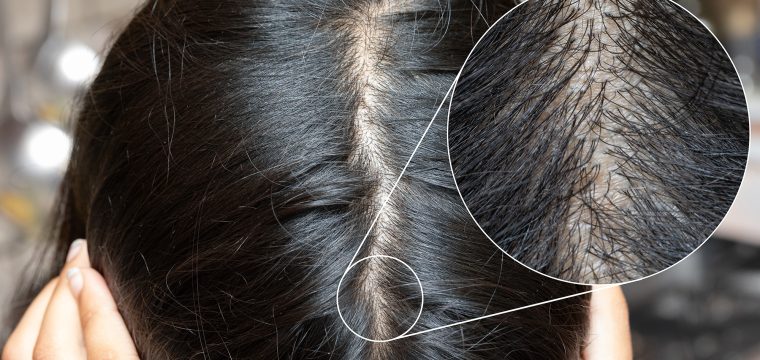
- Hair Thickness: We measure the width of your hair. Thinning hair, or miniaturisation, is a key sign of certain types of hair loss.
- Scalp Health: We check the skin on your scalp for signs of redness, scarring, or other conditions that might impact hair growth.
Using this technology, we can provide you with a report that quantifies your hair loss. This isn’t just a guess; it is a data-led report that we use to track your progress if you decide to go ahead with a treatment. Sometimes, we might also suggest blood tests. These tests help us see if your vitamin and nutrient levels are where they need to be to support healthy hair.
Exploring Your Hair Growth Treatment Options
Once we have the results of your scalp analysis, we can discuss options. Not everyone who walks through our doors needs surgery. Depending on your diagnosis, we might discuss non-surgical medical treatments.
These are often used to help keep the hair you currently have or to improve the overall health of your scalp. If a transplant is a suitable option for you, we will explain the available techniques.
Micro FUE and Implanter Pens
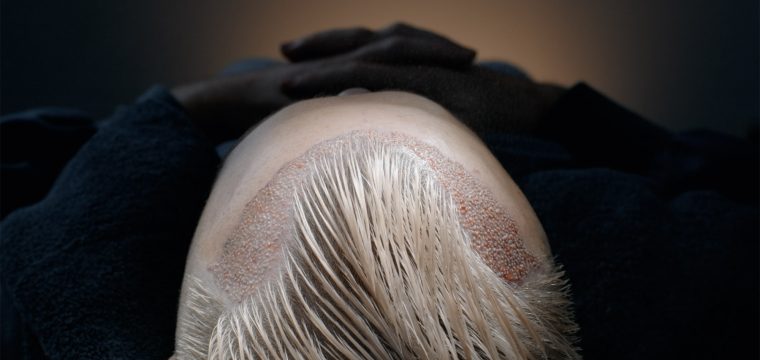
Follicular Unit Extraction (FUE) is a common surgical method. In this procedure, individual hair follicles are taken from the back or sides of the head and moved to the areas where they are needed. We also use Implanter Pen technology. This tool is used to place hair grafts, assisting the clinician in controlling the angle and depth of implantation.
Understanding the Costs
The hair transplant consultation cost covers this in-depth medical assessment. Transparency is important to us, so we provide clear pricing for our procedures and an online quote process. The final cost depends on how many grafts you need and who performs the procedure.
- 3,000-3,500 Grafts: $19,999 for Doctor-Led Procedures.
- 3,000-3,500 Grafts: $9,999 for Doctor-Supervised, Nurse-Performed Procedures.
During your consultation, the doctor will estimate the number of grafts required for your specific needs and discuss payment plan options with you. This ensures you have a clear idea of the financial commitment before making any decisions.
Setting Realistic Expectations
A major part of our job is to make sure you have realistic expectations. It is important to know that results vary from person to person. Factors like your age, the quality of your donor hair, and your general health all play a role in the outcome.
Hair growth is a slow biological process, and the hair growth cycle occurs over several years. If you have a transplant, the new hair usually begins to grow after a few months, with the final results typically visible around the one-year mark. It is also worth noting that a transplant does not stop natural hair loss from continuing in other areas of your head. We often discuss long-term plans to help manage your hair health over time.
It is important to note that for surgical procedures like hair transplants, there is a mandatory cooling-off period of at least 7 days. This means that after you have given consent, you must wait at least a week before the procedure can take place.
Discussing Risks and Recovery
Like any medical procedure, hair transplants involve certain risks. We believe in being open about these, so you can make an informed choice. During the consultation, we explain the side effects you might experience.
Most patients notice some swelling or redness in the days following the procedure. You might also see small crusts around the grafts, which is a normal part of the healing process. While rare, there is always a small risk of infection. Temporary numbness is common.
Most people take a few days off work and avoid heavy exercise for a couple of weeks. We provide a clear aftercare plan to help you look after your scalp as it heals.
The Importance of the Clinical Team
Your care involves a core medical team. This includes doctors and registered nurses who lead the consultations and qualified nurses who assist with or perform procedures and follow-up care. Having a doctor-led team means your treatment is overseen by someone with the medical training to handle complex cases and help make sure safety standards are met.
Follow-up appointments are a standard part of the care we provide. We want to see how you are healing and check the grafts are progressing as expected. This ongoing support is vital for a good experience.
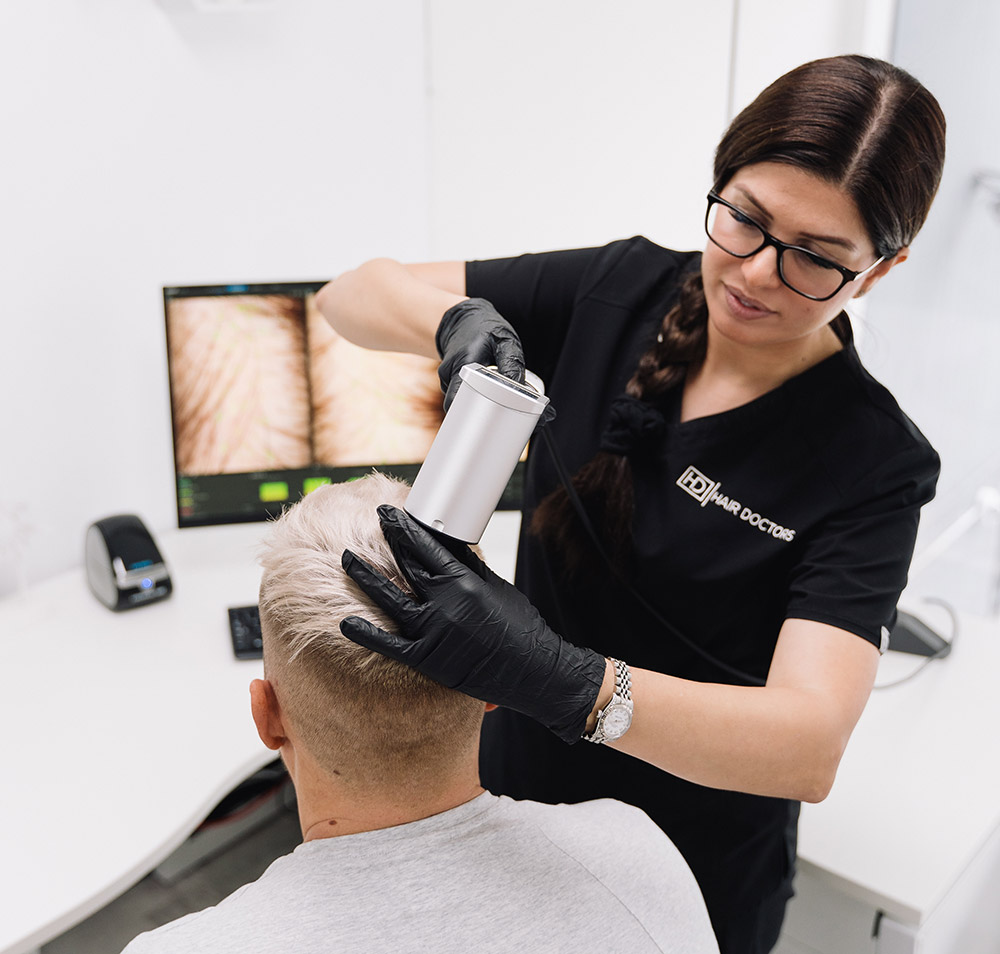
HairMetrix technology is used in your hair transplant assessment to provide a detailed report on your hair density and scalp health. This comfortable, non-invasive analysis allows us to accurately quantify and track your progress throughout your treatment journey.
Want to Find Out More?
If you are concerned about hair loss, the best thing you can do is gather accurate information. A hair restoration consultation gives you a professional diagnosis and a clear understanding of your options. The next step is a medical hair loss assessment. You can book a consultation to determine your suitability for treatment and discuss potential outcomes.
FAQs
Do I need a consultation before a hair transplant procedure?
Yes, a consultation is needed before a hair transplant to assess your hair loss pattern, scalp health, donor hair and overall suitability. It also gives you a clearer understanding of what can realistically be achieved, which technique may be appropriate and any risks or limitations to consider before proceeding.
What is the difference between doctor-led and nurse-performed hair transplant procedures?
A doctor-led hair transplant means the doctor performs the main surgical stages of the procedure. In a nurse-performed model, trained nurses carry out technical parts of the treatment under medical supervision. The right option depends on the clinic’s model, your preferences and what is considered appropriate after assessment.
How much does a hair transplant consultation cost?
Nurse consultations are free and doctor consultations are $150. Both include an assessment of your hair loss, scalp health and treatment suitability. Procedure costs vary depending on the number of grafts required, and whether the treatment is doctor-led or doctor-supervised, so an accurate quote is usually provided after assessment.
About The Author
Dr. Ossman Ashraf
In 2009, Dr Oz graduated from the University of Dundee, UK with a qualification in Men’s Health and Aesthetic Medicine. He then furthered his qualifications in medical education and is currently the Medical Advisor/Educator for MOSH, Australia’s leading online Men’s Health platform. He is accredited by the London Hair Restoration Academy and specialises in using the most up-to-date micro FUE extraction and DHI implantation techniques for transplant surgery.