Last updated on October 20, 2026
If you’re losing your hair, deciding to do something about it is a big step. If you are thinking about treatment, one question probably keeps popping up: is a hair transplant painful?
It is completely normal to worry about how your scalp will feel during and after the procedure. The short answer is that doctors use local anaesthetics so you should not feel pain while the work happens. You will feel a few sharp pinches during the initial numbing phase, but this will help keep the procedure comfortable. Because everyone feels pain a bit differently, knowing what to expect at each step is important.
So, here’s what happens during a Follicular Unit Extraction (FUE) procedure and what it feels like. We will look at what happens before, during, and after your session, how recovery feels day by day, and how aftercare keeps you comfortable.
FUE Techniques and Scalp Comfort
To understand what you might feel, it helps to see how techniques have changed over time. Years ago, hair restoration usually involved Follicular Unit Transplantation (FUT), often called the strip method. A clinician had to remove a strip of skin from the back of your head and sew the area back together with stitches or staples. That approach left a long scar and caused tightness and soreness while it healed.
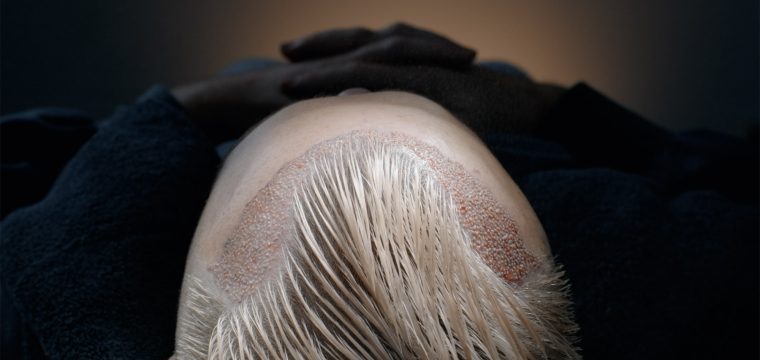
Today, doctors mainly perform Follicular Unit Extraction (FUE). Instead of cutting away skin, clinicians take individual hair follicles directly from the back and sides of your head using tiny tools under a millimetre wide. They then place those follicles into small, precise openings created in thinning areas.
Because FUE does not require cutting strips or placing stitches, it means less trauma for your skin, reducing soreness during the treatment and recovery afterwards.
The Initial Numbing Stage: Does a Hair Transplant Hurt?
When people start researching the procedure, they usually want to know about the procedure. They ask, does a hair transplant hurt when the doctor gets started?
The injections used to numb your scalp are usually the only part of the day that feels sharp. Before harvesting or placing any hair grafts, the clinical team needs to make sure both the back of your head and the receiving areas are completely numb.
What Local Anaesthetic Feels Like
To numb the area, your doctor uses a few small injections with a fine needle.
- First few moments: You will feel a quick pinch or sharp prick as the needle touches your skin, followed by a slight sting or feeling of pressure as the fluid goes in.
- Fast relief: The local anaesthetic kicks in quickly. Within a few seconds, that patch of skin loses feeling.
- Work across the scalp: Your doctor moves across the area section by section. Because the surrounding skin numbs quickly, later injections in the same area generally feel much milder.
For most people, the numbing process takes about 5-10 minutes per region. While those first few minutes involve brief discomfort, any real pain usually stops as soon as the area is fully numb.
Chair Time: What Can You Feel During Treatment?
Once the local anaesthetic takes full effect, your scalp should stay numb. An FUE session usually lasts anywhere from 4-8 hours. The exact time depends on how many grafts you need, such as a smaller session of 1,500 grafts or a larger session of up to 3,500 grafts.
Throughout these hours, you should not feel sharp pain or stinging. Instead, you will notice neutral physical feelings:
- Pressure and touch: Local anaesthetic stops pain signals, but your skin can still feel movement. You will feel the clinician touching your head, adjusting your position, or applying light pressure as they work.
- Light vibration and background sound: As the tiny tool releases each follicle, you might hear a low humming or clicking noise and feel a vibration against your scalp.
- Sitting still: Because you stay in a clinical chair for several hours, mild stiffness in your neck or back can occur.
If you ever start feeling a dull ache or sharp spot while the doctor works, tell the team right away. They can add a bit more local anaesthetic to make sure you stay comfortable. Most people pass the time by watching TV, listening to music, chatting with staff, or drifting off to sleep.
Healing Phase: How Painful Is Hair Transplant Recovery?
Once you get home and the local anaesthetic wears off over several hours, feeling returns to your scalp. This brings us to another common question: how painful is hair transplant recovery in the days that follow?
Recovery after an FUE procedure generally involves mild to moderate discomfort. Many patients describe it as a dull ache or a tight sensation similar to sunburn, rather than heavy pain.
Days 1 to 3: Early Healing and Tenderness
During the first three days, your skin starts repairing itself. You might notice:
- Mild throbbing or tightness: Fluid under the skin can make your scalp feel tight or slightly swollen.
- Tenderness: The donor area at the back of your head will feel tender when you lean against a pillow.
- Swelling around the forehead: Fluid from the procedure slowly moves down towards your forehead and eyes. Swelling can look a bit strange, but it rarely hurts.
Your treating doctor will suggest pain relief medication to keep you comfortable during this initial phase. Taking tablets as instructed for the first day or two will help manage discomfort and swelling so you can rest.
Days 4 to 14: Scabbing and Itching
By day four, any initial soreness usually fades away. As the wounds dry up and form small scabs, you will likely experience itching rather than soreness.
Itching is a normal sign that your skin is healing, but you must avoid scratching. Scratching can pull out fresh grafts or introduce germs to healing skin. Your clinic will give you aftercare advice and clear washing steps to keep the scalp clean, soothe the itch, and help scabs wash away naturally within 10 to 14 days.
Practical Ways to Minimise Post-Procedure Discomfort
Following your doctor’s aftercare steps helps protect your new grafts and keeps you comfortable while you heal. Simple, effective steps include:
- Sleep with your head raised: Use extra pillows or a neck pillow to keep your head propped up at a 45-degree angle for the first three to five nights. You can also sleep in a comfortable chair if needed. This reduces swelling, helps to prevent throbbing pressure, and prevents your head from rubbing against sheets.
- Spray with saline: Spraying sterile saline on the treatment area helps keep the skin moist, calm itching, and soften scabs.
- Take it easy physically: Avoid exercise, heavy lifting, gym workouts, or anything that gets your heart pumping for at least two to three weeks. High blood pressure can cause extra swelling, bleeding, or throbbing, while sweating can introduce bacteria to the healing area.
- Stay out of the sun and heat: Protect your scalp from direct sunlight and avoid hot showers for the first two weeks.
- Pause drinking and smoking: Smoking slows down blood flow and delays healing, while alcohol thins your blood and worsens swelling. Ideally, smoking should cease completely about 6-7 weeks before your procedure, and you should avoid alcohol for at least two weeks before your procedure to give your skin the best chance to recover smoothly.
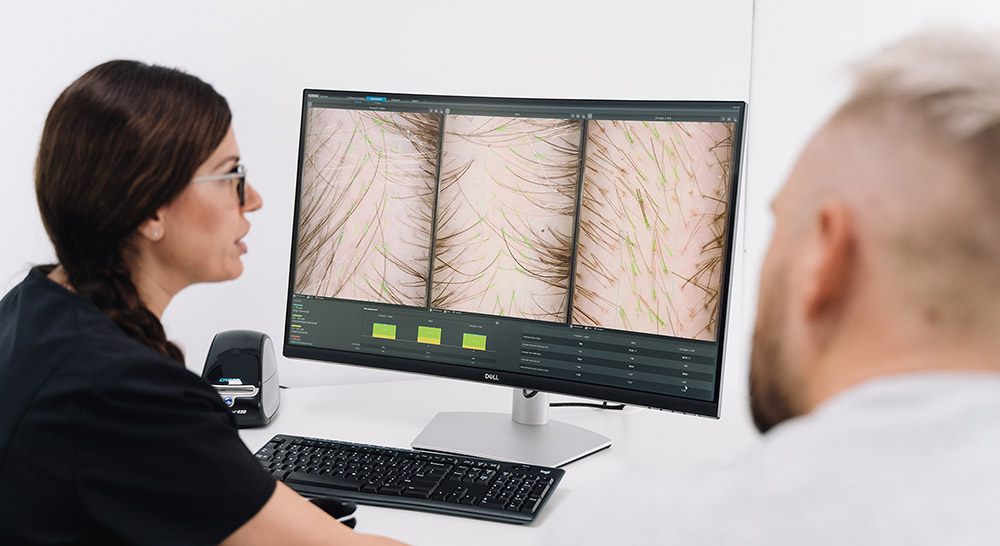
A doctor-led hair transplant clinic in Sydney or Melbourne will support your comfort during the FUE hair transplant procedure, with aftercare that supports your scalp through every phase of recovery, keeping you informed and comfortable as your hair grows.
Surgical Risks and Regulatory Standards
Any procedure that breaks the skin carries some degree of risk. FUE hair restoration is a common medical procedure, but you should always weigh potential risks against expected outcomes. Possible risks include:
- Temporary swelling, bruising, and skin redness
- Minor skin infection around the graft or donor areas
- Small pinpoint scars or temporary changes in skin feeling
- Temporary shedding of existing natural hair near the treated spot
- Variations in how well individual grafts take and grow
In line with standards set by the Australian Health Practitioner Regulation Agency (AHPRA), medical information must stay clear, realistic, and objective. Hair transplants cannot offer guaranteed results, and experiences vary from person to person. The procedure also cannot stop natural, age-related loss of your original, non-transplanted hair.
To find out if a hair transplant is right for your situation, a medical consultation with a hair transplant clinic in Sydney or Melbourne is important. Your practitioner will examine your scalp, check your medical background, outline potential risks, and explain alternative treatments. Before deciding to go ahead with the procedure, you can always get a second opinion.
FAQs
Is a hair transplant procedure painful?
During the procedure, local anaesthetic numbs your scalp, so you should not feel sharp pain while individual follicles are extracted and implanted. The initial numbing injections cause brief pinches or stinging for a few minutes, but once the medication takes effect, the session is usually comfortable. Most patients relax, listen to podcasts, or rest. Your hair transplant doctor will walk you through all pain management options in your consultation.
How intense is the discomfort after a hair transplant?
Post-procedure discomfort is generally mild to moderate, feeling similar to a dull ache or light sunburn rather than intense pain. Any scalp tightness or tenderness in the donor area usually peaks within the first 72 hours. Your hair transplant clinician will recommend oral pain relief and aftercare to keep you comfortable during this initial phase. Nerve pain can also start around days 5-10. If your pain worsens at this time, please let your clinician know.
How can I manage pain after a hair transplant?
You can minimise post-treatment discomfort by following your Sydney or Melbourne clinic’s aftercare, which can include taking prescribed or recommended pain medication on time, sleeping with your head elevated at 45 degrees, and resting. Avoiding strenuous workouts, hot showers, and direct sunlight during early recovery also prevents localised throbbing and excess swelling.
How long does scalp soreness last after a FUE hair transplant?
Soreness and skin tightness typically improve significantly within three to four days. By the end of the first week, any lingering tenderness usually shifts to mild itching, which indicates normal skin repair. If lingering discomfort persists beyond ten days, consulting your hair transplant doctor in Sydney or Melbourne helps make sure your healing remains on track.
Does donor area recovery hurt more than the recipient site?
The donor region at the back of the scalp often feels slightly more tender initially because micro-extraction wounds take a few days to settle. However, because FUE hair transplantation avoids linear strip removal and stitches, this soreness usually remains light. Gentle handling and sleeping on an elevated neck pillow prevent unnecessary pressure on sensitive donor skin.
About The Author
Dr. Ossman Ashraf
In 2009, Dr Oz graduated from the University of Dundee, UK with a qualification in Men’s Health and Aesthetic Medicine. He then furthered his qualifications in medical education and is currently the Medical Advisor/Educator for MOSH, Australia’s leading online Men’s Health platform. He is accredited by the London Hair Restoration Academy and specialises in using the most up-to-date micro FUE extraction and DHI implantation techniques for transplant surgery.