Last updated on November 5, 2026
While the clinical process of hair transplantation is highly controlled, the aftercare period dictates how safely those new grafts settle into your scalp. Proper sleep positioning prevents damage to the fragile new grafts and helps reduce expected swelling.
Patients often ask our clinicians for practical advice on managing their nights and sleeping after a hair transplant, but your aftercare and recommended sleeping positions change significantly depending on the procedure you receive. For example, recovering from a Follicular Unit Transplantation (FUT) procedure involves managing a linear incision at the back of the head, which dictates specific sleep restrictions.
We don’t perform FUT at our clinics. Instead, our clinicians only perform Follicular Unit Extraction (FUE) procedures using an implanter pen. This guide will help you sleep comfortably during your FUE recovery phase.
The Donor and Transplanted Areas
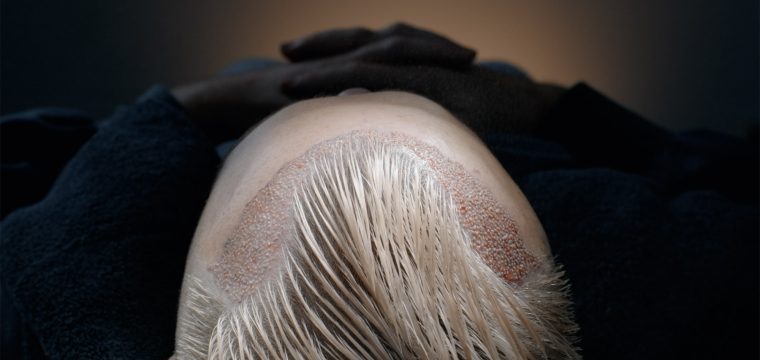
To understand how to sleep properly, you need to look at what happens during the FUE procedure. Your doctor extracts hair follicles from the donor area. This zone is typically located at the back and sides of your head. Following extraction, the clinician uses a specialised implanter pen to place these individual follicles into the transplant area. The target area might be your frontal hairline, your mid-scalp, or your crown.
The implanter pen allows the clinician to precisely control the depth, angle, and direction of each hair follicle. Because the pen creates a very snug fit for the follicle, avoiding friction in the days following the procedure is very important.
Both areas require careful attention during your recovery. The donor area may feel tender or sore. The transplanted area contains newly placed grafts that remain highly vulnerable to physical contact. Rubbing the transplanted area against a pillow can easily dislodge the grafts before they have time to anchor, affecting your graft survival rate.
The Best Way to Sleep After Hair Transplant
Sleeping on your back with your head elevated is the most effective approach for the first phase of your recovery. Aim for an angle of about 45 degrees using a dedicated wedge pillow or by strategically stacking a few standard pillows. Elevating your head helps reduce fluid buildup and swelling in your forehead and scalp, which is common in the first three to four days after the procedure.
To stop yourself from rolling over in your sleep, place pillows under your arms or along the sides of your body. A U-shaped travel neck pillow serves as an excellent tool during this time. It supports your neck comfortably and stops your head from turning side to side while you rest.
A reclining chair is also a useful solution for the first 5-7 days after your FUE procedure. It naturally locks your body into the required 45-degree angle, so you don’t need to stack unstable pillows in bed. This elevated position actively reduces forehead swelling while keeping your head completely still. Sitting back in a recliner also prevents you from unconsciously rolling onto your stomach or side during deep sleep.
You must also protect your bedding. Place a clean, dark-coloured towel or a disposable medical absorbent pad over your pillows. The donor area at the back of your head may leak a small amount of fluid during the first 24-48 hours. This fluid is a normal mixture of saline and tiny amounts of blood used during the extraction process. Using a protective layer saves your pillows and keeps your sleeping environment hygienic.
Managing Discomfort: Sleeping After Hair Transplant
When planning your routine for sleeping after hair transplant procedures, remember that different transplant locations require slightly different levels of awareness. If your doctor treated your crown, be extra careful to ensure the top back of your head doesn’t slide down and make direct contact with the pillow. A travel neck pillow helps create a safe gap between the crown and the bed. If your treatment focused solely on the frontal hairline, your main goal is simply avoiding stomach sleeping to prevent your forehead from pressing into the mattress.
Both men and women undergo FUE procedures, and recovery considerations are largely the same. However, women often have longer hair surrounding the donor area at the back of the scalp. While this longer hair can help cover the small extraction sites during the day, avoid tying it tightly while sleeping. Keep the hair loose or in a loose braid to prevent unnecessary tension on the scalp.
Everyone should ensure their sleep environment remains cool and clean. Sweating heavily at night can irritate the scalp and potentially increase the risk of infection. Keep the bedroom temperature comfortable and use breathable cotton sheets. We also advise keeping pets out of your bed during the initial healing phase to maintain the highest level of cleanliness.
The Recovery Timeline: When Can I Sleep Normally After Hair Transplant
Returning to your usual sleep habits is understandably a priority for all patients. For the first 5-7 days, strict elevated back sleeping is absolutely necessary. The newly placed grafts are settling into their new positions within the scalp. During this window, your body forms a delicate fibrin network that acts like a biological glue to hold the follicles in place. The grafts are most fragile right now.
By day seven, the fibrin network strengthens, and the grafts become much more secure. The swelling across your forehead and around your eyes usually subsides completely. You still need to sleep on your back, but you can often lower the elevation slightly if the 45-degree angle feels uncomfortable.
Between days 10-14, the small crusts and scabs in the transplanted area typically dry up and fall off. Once your doctor assesses your progress and confirms the grafts are fully anchored, you can gradually return to sleeping on your side or your stomach.
Most patients resume their normal, preferred sleeping positions by two weeks post-procedure. Always check with your clinician before changing your aftercare routine, as healing times can vary based on the extent of the work done.
The medical team at our Sydney FUE hair transplant clinic will guide you through every step of the recovery process to support your comfort and healing.
Rest Easy with Doctor-Led FUE Hair Transplantation and Recovery Support in Sydney
Proper sleep is vital to your hair transplant recovery. Hair Doctors focuses on diagnosing hair loss and guiding you through every step of your aftercare. Our clinics in Sydney, Melbourne and Hampton provide FUE procedures and support to protect your new grafts while you rest. You can arrange a consultation today to understand your potential treatment pathways and learn how our doctors manage your recovery process.
FAQs
Why is sleeping position important after a hair transplant?
Proper sleeping positions prevent direct friction on your transplanted area. The newly placed follicles remain highly fragile during the first week. Incorrect positioning can easily dislodge these grafts before they anchor properly. Proper head elevation also reduces forehead swelling.
When can I return to normal sleeping positions?
Most patients can return to normal sleeping positions, like side or stomach sleeping, between ten and fourteen days post-procedure. You should wait until the small crusts fall off and your doctor confirms the grafts are secure. Always follow your specific clinical advice.
What should I avoid while sleeping after a hair transplant?
You should avoid sleeping flat on your stomach or side for the first week. Do not use tight headwear while resting, and avoid scratching your scalp if it gets itchy. Keep pets out of your bed to maintain a clean environment.
Is it more comfortable to sleep after FUE compared to FUT?
Many patients report less donor-area tightness after FUE than FUT. FUT involves removing a linear strip of tissue from the back of the scalp, which creates tightness and soreness when you rest your head on a pillow. In contrast, FUE leaves only small, individual puncture marks in the donor area. Without a linear incision, there is less pressure on the back of the scalp when resting. Discomfort varies between patients.
About The Author
Dr. Ossman Ashraf
In 2009, Dr Oz graduated from the University of Dundee, UK with a qualification in Men’s Health and Aesthetic Medicine. He then furthered his qualifications in medical education and is currently the Medical Advisor/Educator for MOSH, Australia’s leading online Men’s Health platform. He is accredited by the London Hair Restoration Academy and specialises in using the most up-to-date micro FUE extraction and DHI implantation techniques for transplant surgery.