Last updated on May 6, 2026
When people research hair transplantation, most attention goes to the new hairline or thinning areas being restored. Far less is said about the donor area. Yet this part of the scalp plays a critical role in both the procedure and the final outcome. Understanding hair transplant donor area recovery helps set realistic expectations, reduces anxiety, and supports better long-term results.
This guide explains what really happens to the donor area after a hair transplant in Melbourne. It covers healing stages, regrowth, discomfort, appearance changes, and how proper care makes a measurable difference.
What Is the Donor Area and Why Does It Matter?
The donor area is usually located at the back and sides of the scalp. Hair follicles in this zone are genetically more resistant to thinning. These follicles are carefully selected and transplanted to areas where hair density has reduced.
Because the donor area supplies the grafts, its health directly affects outcomes. Proper planning ensures even extraction, minimal trauma, and strong regrowth. Poor technique can lead to patchiness or prolonged healing. This is why experience and technology matter.
What Happens to the Donor Area After Hair Transplant Surgery
One of the most common questions is what happens to the donor area after hair transplant procedures, especially for those considering a FUE hair transplant in Melbourne.
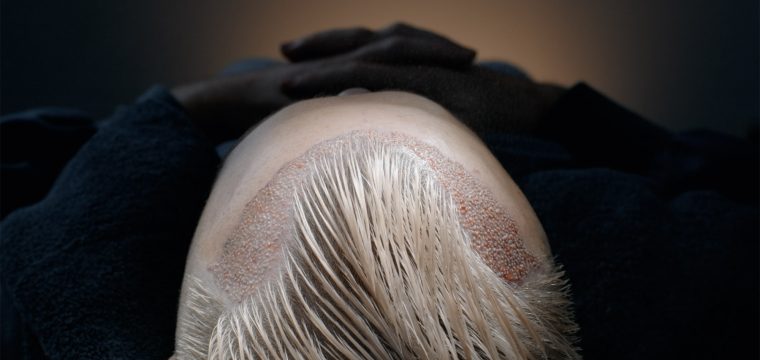
Immediately after the procedure, the donor area shows tiny extraction points where follicles were removed. With modern FUE and DHI techniques, these sites are small and precise. The skin responds naturally with mild redness and swelling, and it’s very important to follow recovery guidelines during this time.
Over the following days, scabs form and then shed. The area begins to repair itself through normal wound-healing processes. Blood flow increases, tissue regenerates, and surrounding follicles continue to grow.
In well-planned procedures, the donor area remains visually full once healing is complete.
Donor Area Recovery Timeline Explained
First 24 to 72 Hours
Mild tenderness and tightness are normal. Redness is common but usually limited to the extraction zone. Most patients describe the sensation as manageable rather than severe.
Keeping the area clean and following washing instructions is essential during this stage.
Days 4 to 10
Scabbing starts to loosen and fall away naturally. Discomfort reduces significantly. Any swelling usually resolves. For most people, noticeable soreness settles within a week.
Weeks 2 to 4
The donor area looks less red and irritated. Short hairs continue growing through the extraction sites. Skin tone evens out.
Months 2 to 6
The donor area blends seamlessly with the surrounding hair. Any temporary shedding resolves. Skin texture returns to normal.
By this stage, hair transplant donor area regrowth is well established.
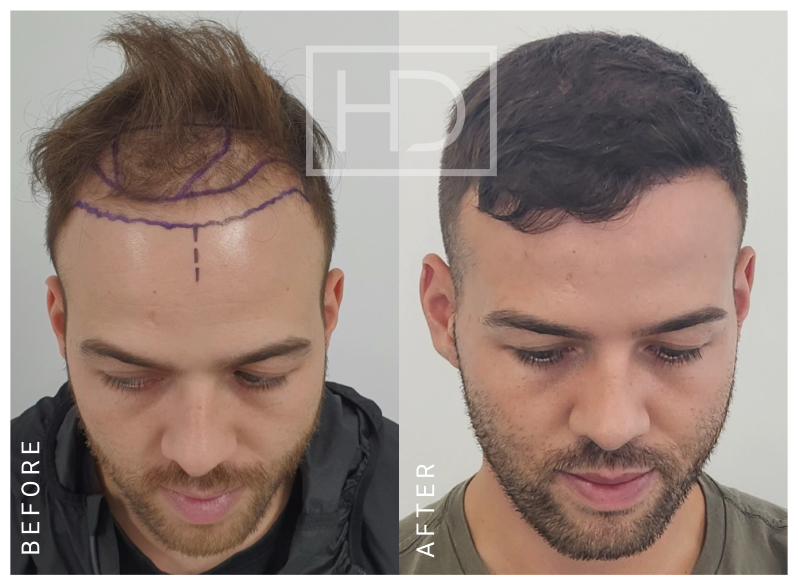
We support optimal donor hair recovery through precise extraction techniques, evidence based aftercare, and advanced AI driven scalp analysis that protects donor density. Our medical hair growth treatments further support healing and long term scalp health for the best possible results.
Pain, Sensitivity, and Comfort Levels
Most people are surprised by how manageable donor area discomfort is. Local anaesthetic prevents pain during the procedure itself.
Afterwards, tightness or sensitivity can occur for a few days. Prescribed pain relief and proper positioning while sleeping help reduce discomfort.
Pain that worsens or persists beyond two weeks is uncommon and should be assessed by your clinic.
Appearance Changes and How to Manage Them
In the early days, the donor area may look pink or slightly darker. Short haircuts can make this more noticeable at first.
If you are wondering how to hide the donor area after hair transplant procedures, longer hairstyles or gradual fades help during the initial healing phase. Caps may be worn after the first few days, depending on clinic advice.
Over time, these concerns fade as healing completes and hair regrowth blends naturally.
Does Hair Grow Back in the Donor Area
Another frequent question is, do grafts taken from donor areas grow back?
The transplanted follicles do not regrow in the donor area because they are moved permanently. However, surrounding follicles continue growing as normal. Because extractions are spaced strategically, the overall appearance remains dense.
This is why expert planning is essential. Responsible extraction protects donor supply for both immediate results and future needs.
The Role of Technique in Donor Area Outcomes
Modern FUE and DHI techniques significantly reduce trauma to the donor area. Advanced tools allow precise extraction without unnecessary damage to surrounding tissue.
State of the art facilities and technology also reduce healing time and lower the risk of scarring. AI driven scalp analysis plays an increasing role by mapping follicle quality, density, and growth patterns before extraction begins.
Supporting Donor Area Recovery With Medical Treatments
Beyond surgery alone, medical hair growth treatments can support scalp health and recovery.
Options such as growth factor therapy, exosomes treatment, scalp mesotherapy, and DHI blockers may be recommended depending on individual needs. These treatments focus on improving circulation, follicle activity, and tissue repair.
Evidence based approaches help strengthen both transplanted and existing hair.
Best Practices for Optimal Donor Area Healing
Following professional aftercare advice has a direct impact on recovery quality.
Key practices include:
- Gentle washing as instructed
- Avoiding sun exposure during early healing
- Sleeping with head elevation initially
- Avoiding strenuous exercise until cleared
- Staying hydrated and maintaining good nutrition
- Small details make a measurable difference in long term outcomes.
Good Donor Area Recovery Starts with the Right Clinic
Understanding hair transplant donor area recovery removes much of the uncertainty around treatment. With modern techniques, careful planning, and proper aftercare, the donor area heals predictably and discreetly.
A well managed donor area supports strong results today and preserves options for the future. Choosing an experienced clinic for your hair transplant needs remains one of the most important decisions in the entire process, so book a consultation with Hair Doctors in Sydney, Melbourne, or Hampton today.
FAQs
When does the donor area stop hurting after a hair transplant?
Most people notice discomfort easing within five to seven days. Mild tightness or sensitivity may persist slightly longer but usually resolves quickly. Modern FUE and DHI techniques reduce trauma, which shortens recovery time. If pain persists or worsens, it is important to contact the clinic. Hair Doctors provides clear aftercare guidance and ongoing support. Book a hair transplant consultation to discuss personalised recovery expectations at our Sydney, Melbourne, or Hampton clinics.
Can you ice the donor area after a hair transplant?
Cold packs may be used carefully within the first 24 hours to manage swelling, but ice should never be placed directly on the skin. Always follow your clinic’s instructions. Excess pressure or prolonged icing can interfere with healing. Hair Doctors provides detailed aftercare advice based on your procedure and scalp condition. Reach out to our team for tailored guidance.
Will the donor area look patchy after healing?
With proper technique, patchiness is uncommon. Early redness or short hair can give a temporary uneven look, but this improves as hair grows. Clinics that use modern FUE and DHI methods reduce this risk significantly. Hair Doctors focuses on balanced extraction and evidence based planning. Book your consultation at our clinic in Sydney, Melbourne, or Hampton to understand expected outcomes.
Is scarring visible in the donor area?
FUE and DHI techniques create very small extraction points that heal with minimal scarring. Once healed, these are difficult to detect, even with shorter hairstyles. Scalp health and aftercare also play a role. Hair Doctors uses state-of-the-art tools and protocols to support discreet healing. Contact us for personalised advice.
About The Author
Dr. Ossman Ashraf
In 2009, Dr Oz graduated from the University of Dundee, UK with a qualification in Men’s Health and Aesthetic Medicine. He then furthered his qualifications in medical education and is currently the Medical Advisor/Educator for MOSH, Australia’s leading online Men’s Health platform. He is accredited by the London Hair Restoration Academy and specialises in using the most up-to-date micro FUE extraction and DHI implantation techniques for transplant surgery.