Last updated on November 5, 2026
Curly and coily hair textures possess a unique aesthetic that many individuals wish to preserve or restore when experiencing hair thinning. However, when those considering hair transplants or restoration research the topic, they often find that standard information focuses heavily on straight hair.
This can leave people with questions about the viability and complexity of the procedure for their specific hair type. Can you get a curly hair transplant, and how does the technical approach differ from standard procedures?
The answer is yes; individuals with curly hair can undergo hair restoration. However, it requires a specific level of clinical experience and technical precision. The procedure is not merely a variation of standard hair restoration but requires an understanding of follicular anatomy that goes beyond the surface.
The Anatomy of the Curl
To understand why a curly hair transplant requires specific technical considerations, one must look at the hair follicle itself. In individuals with straight hair, the follicle typically grows perpendicularly to the scalp, often following a predictable, straight path beneath the skin surface. In contrast, curly and coily hair follicles often follow a curved, twisted, or spiral path beneath the skin.
This is the defining factor that changes the technical requirements of the procedure. During Follicular Unit Extraction (FUE), a doctor uses a small, hollow punch to remove hair follicles from a donor area. If the doctor assumes the follicle is straight, they risk transecting (cutting through) the hair root because the follicle may be curving in a different direction than the hair shaft visible above the scalp.
If the extraction instrument continues in a straight line without accounting for this subsurface curvature, the graft can be damaged, rendering it non-viable for transplantation.
This creates a higher demand for technical accuracy and often requires a slower, more deliberate extraction pace to help keep the follicle intact. It’s also why implanter pen hair transplants are often recommended.
Why Technical Skill Matters
The primary challenge for any hair transplant for curly hair is the preservation of the graft. Because the follicle path is less predictable, the doctor must have extensive experience in identifying the angle and direction of the hair growth.
Clinical teams do not treat all follicles as uniform. They evaluate the donor area to determine the curvature of the follicles. In some cases, grafts are more fragile outside the body, meaning the time between extraction and implantation must be carefully managed to maintain viability.
This technical complexity means that the procedure typically takes longer than a procedure for straight hair. Speed is often a metric of efficiency in many clinical procedures, but in the context of curly hair restoration, accuracy is the only metric that matters. Cutting corners to reduce procedure time can lead to a higher rate of graft transection, which ultimately impacts the final density and aesthetic outcome.
Setting Expectations for Curly Hair Transplant Results
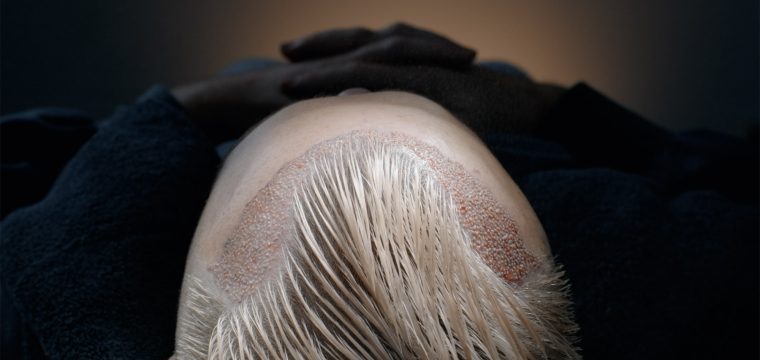
When discussing curly hair transplant results, it is helpful to understand how these grafts behave once transplanted. A common misconception is that the transplant will change the texture of the hair. In reality, the follicle retains its original growth characteristics.
If a curly follicle is moved to a new area, it usually continues to produce curly hair. This is often an advantage. Because curly hair has more volume and can cover more scalp surface area with fewer hairs than straight hair, it can sometimes provide an appearance of greater density.
However, this also means that the placement of each graft must be precise. If the angle of implantation is incorrect, the hair may grow in a direction that does not blend with the natural existing hair, which can make the result appear less uniform.
Managing expectations involves recognising that hair restoration is a medical procedure, not a cosmetic magic trick. It requires a detailed assessment of the donor area, the recipient area, and the progression of hair loss. It is also important to address any underlying scalp conditions, such as inflammation or excessive dryness, before considering any procedure. An unhealthy scalp will not support healthy hair growth, regardless of the transplant technique used.
The Importance of the Initial Hair Loss Assessment
For anyone asking, “can you get a curly hair transplant,” the most important first step is a clinical assessment. This is where the distinction between a generic procedure and a medical plan becomes clear.
A thorough consultation at a clinic like Hair Doctors involves more than just a quick look at the hairline. It involves:
- Microscopic Examination: Evaluating the density, thickness, and curvature of the hair in the donor zone.
- Scalp Health Review: Checking the skin is free from inflammation or issues like seborrheic dermatitis that could compromise healing.
- Goal Alignment: Discussing what the individual realistically hopes to achieve and checking the donor supply is sufficient to meet those goals.
If you are concerned about hair thinning, the focus should always be on identifying the root cause. Sometimes, the solution is not a transplant but a medical management plan to slow further thinning.
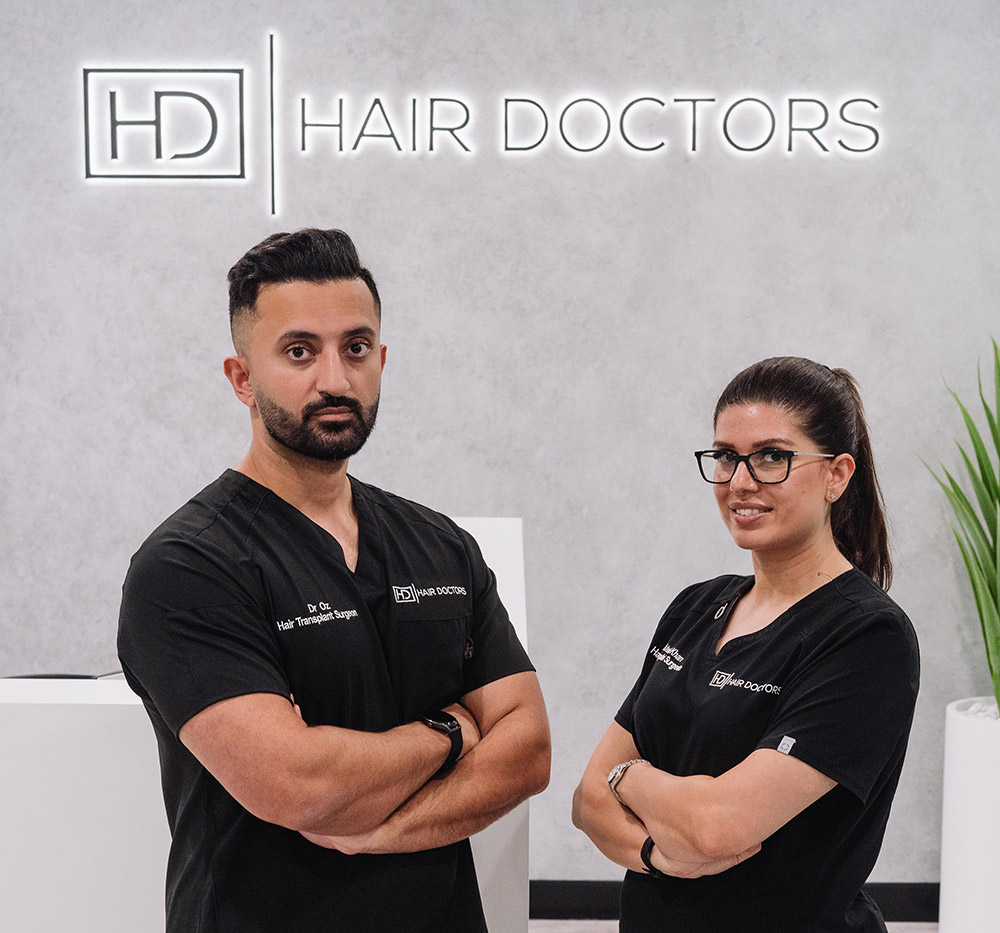
At Hair Doctors, the team provides hair and scalp assessments across Sydney and Melbourne to help identify the underlying cause of thinning and build a treatment plan that may involve medical hair loss treatments or hair transplantation.
The Hair Doctors Approach
At Hair Doctors in Sydney, the philosophy is to treat each person individually. Hair loss is rarely the same in two people, and this is especially true for curly and coily hair types. The team does not use a one-size-fits-all protocol. Instead, they leverage their experience to understand the unique characteristics of your hair follicle anatomy.
Our services focus on providing detailed scalp assessments and evidence-based treatment plans. Whether the solution involves non-surgical hair loss treatments or a hair transplant procedure, the primary goal is always to deliver an outcome that looks natural, suits your facial structure, and addresses your personal concerns.
If you are considering your options, the best path forward is to speak with a professional who understands the nuances of curly hair. Book a consultation with the team at Hair Doctors in Sydney or Melbourne to have your scalp assessed and discuss your options. All surgery carries risks. Results vary between individuals.
FAQs
Is a curly hair transplant different from a straight hair transplant?
Yes, it can be technically more complex. The main difference lies in the anatomy of the hair follicle beneath the skin, as curly hair follicles are often curved or spiral-shaped. The doctor must account for this curvature during extraction to avoid damaging the follicle, which can require greater precision and a more deliberate approach than straight hair restoration.
How long does a curly hair transplant procedure take compared to straight hair?
As curly hair transplants can require slower, more careful extraction to preserve the integrity of the curved follicles, the procedure may take longer than a transplant involving straight hair. The exact duration depends on factors such as the number of grafts required, the degree of follicle curvature and the technique being used.
What if I have thinning curly hair but am not ready for a transplant?
A hair transplant is not the only option. Medical management, including treatments aimed at reducing inflammation, improving scalp health or supporting hair density, may be a suitable first step depending on the cause of the thinning. A scalp and hair assessment can help determine whether non-surgical treatment is appropriate or whether a transplant may be considered later.
About The Author
Dr. Ossman Ashraf
In 2009, Dr Oz graduated from the University of Dundee, UK with a qualification in Men’s Health and Aesthetic Medicine. He then furthered his qualifications in medical education and is currently the Medical Advisor/Educator for MOSH, Australia’s leading online Men’s Health platform. He is accredited by the London Hair Restoration Academy and specialises in using the most up-to-date micro FUE extraction and DHI implantation techniques for transplant surgery.