Last updated on November 5, 2026
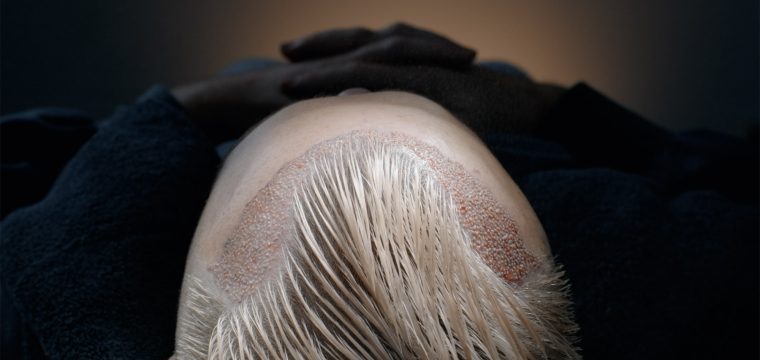
Undergoing a hair restoration procedure involves careful planning and patience. You research your options, consult with a qualified doctor, and complete the procedure. Then, a few weeks down the track, you notice the newly transplanted hairs beginning to fall out. Seeing hair fall after a procedure designed to restore it can feel counterintuitive. However, this is a standard and well-documented part of the process.
The hair transplant shedding phase is a temporary stage that nearly all patients experience. To help you understand what to expect, we’ll explore the science behind this phase, why it occurs, and how to manage your aftercare effectively.
The Natural Hair Growth Cycle
To understand shedding after hair transplant procedures, we first need to look at how hair grows naturally. Every hair on your head goes through a continuous lifecycle comprising four main stages:
- Anagen phase: This is the active growth phase, lasting several years. The majority of your hair is in this stage at any given time.
- Catagen phase: A short transitional phase where the hair follicle shrinks and detaches from the blood supply.
- Telogen phase: The resting phase, lasting a few months. The hair remains in the follicle but doesn’t grow.
- Exogen phase: The shedding phase where the old hair falls out, making way for new growth.
When a clinician extracts and implants hair follicles, the physical relocation interrupts the natural cycle. This interruption pushes the transplanted follicles directly into the telogen resting phase, which eventually leads to the exogen shedding phase.
Why Shedding Occurs
Whether the doctor or nurse uses the Follicular Unit Extraction (FUE) method or an Implanter Pen technique, the procedure involves moving individual hair follicles from a donor area to a recipient area. The donor area is typically the back or sides of the scalp, where hair is naturally resistant to the hormone DHT.
During extraction and implantation, the follicle is temporarily disconnected from its blood supply. Although this process is done with care, this brief deprivation causes trauma to the hair shaft. As a survival mechanism, the follicle sheds the existing hair shaft to conserve energy and protect the root while it establishes a new blood supply.
It’s important to distinguish between the hair shaft and the hair follicle. The shaft is the visible part of the hair above the scalp. The follicle is the root structure beneath the skin. During the hair transplant shedding phase, you only lose the hair shaft. The follicle remains securely embedded in your scalp, establishing a new blood supply and preparing to grow a new hair.
When Does Shedding Start After Hair Transplant?
Patients often ask, when does shedding start after hair transplant procedures? The timeline varies slightly from person to person, but you can generally expect the shedding to begin between 2-4 weeks after your procedure.
During the first fortnight, the transplanted hairs often remain in place and might even appear to grow slightly. By the third or fourth week, you’ll likely notice these hairs falling out when you wash or brush your hair. The shedding can continue for several weeks. By the end of the second month, most of the transplanted hair shafts will have shed.
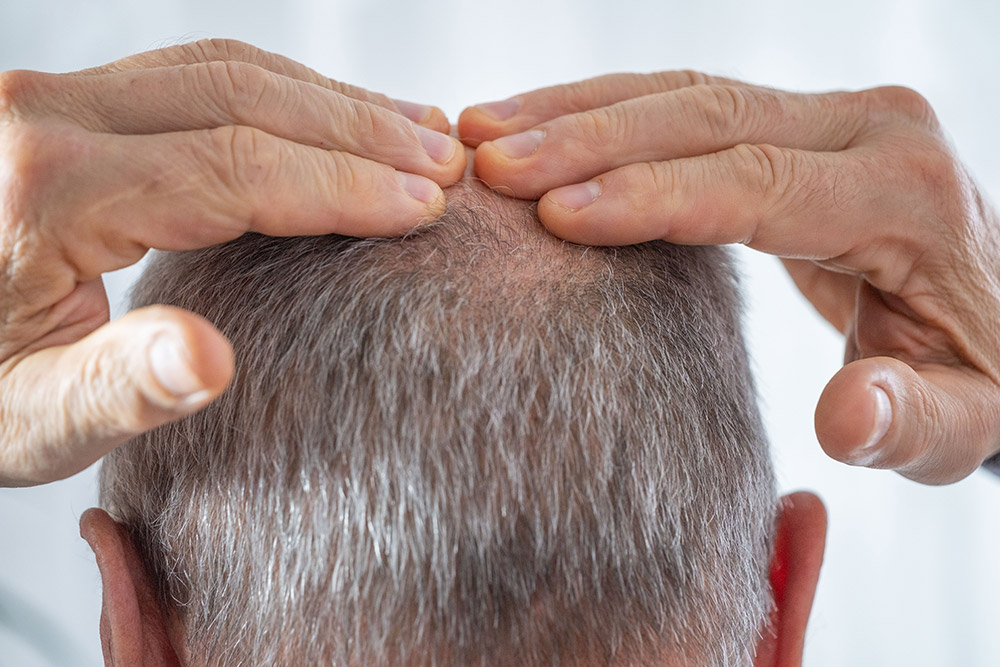
Some patients also experience a phenomenon known as shock loss. This occurs when native hairs surrounding the recipient or donor areas shed due to the localised trauma of the procedure. Like transplanted hair shedding, shock loss is typically temporary. The native hair follicles also enter a resting phase before resuming their normal growth cycle.
The Regrowth Timeline
Patience is an important part of the hair restoration journey. The shedding phase is simply a reset button for your hair follicles. Once the shedding stops, the follicles remain dormant for a period before new growth begins.
Around the 3-4 month mark, you’ll start to see fine, thin hairs emerging from the scalp. These early hairs often lack pigment and thickness. As the months progress, the hairs gradually thicken, darken, and mature.
By six months, many patients begin to notice changes in density, although results vary between individuals. The most significant changes usually occur between months 6-12. The final outcome is typically visible 12-18 months after the procedure, once the hair has had time to cycle through a full growth phase.
Best Practices for Aftercare
Managing the shedding phase requires careful attention to your aftercare routine. Your clinician will provide specific instructions tailored to your situation. Following these guidelines helps ensure the best possible environment for new hair growth.
Gentle Washing: In the first few days and weeks after the procedure, wash your hair very gently. Use the shampoo your doctor recommends. Avoid rubbing or scratching the scalp, as this can dislodge newly implanted follicles before they secure themselves.
Avoid Direct Sun Exposure: Protect your scalp from direct sunlight for the first few months. Your scalp skin will be sensitive, and sunburn can damage healing tissue and affect the follicles. Avoid direct sunlight entirely, or wear a loose-fitting hat when you’re outdoors.
Limit Strenuous Activity: Sweating and increased blood pressure from heavy exercise can increase the risk of swelling and complications. Your clinician will advise you on when it’s safe to resume exercise and different types of physical activity, usually starting with light walks and gradually increasing intensity.
Maintain a Healthy Diet: Good nutrition may support healing and healthy hair growth. A diet rich in vitamins, minerals, and proteins provides the necessary building blocks for your new hair.
Attend Follow-Up Appointments: Regular check-ups with your clinic allow the doctor to monitor your progress and ensure the healing process is on track. Clinics like Hair Doctors, with locations in Sydney and Melbourne, provide ongoing support and medical reviews throughout your recovery to ensure the follicles are behaving as expected.
Evaluating the Methods: FUE and Implanter Pen
Modern hair restoration relies on refined techniques that aim for accurate placement. Two of the most prominent methods are FUE and the Implanter Pen method.
FUE involves extracting individual follicular units from the donor area using a micro punch tool. The clinician then creates tiny incisions in the recipient area and places the follicles into these sites. This method leaves small, dot-like scars rather than a linear scar. How visible they are varies between patients.
The Implanter Pen method refines this process further. After extraction, the clinician loads the follicle into a specialised pen-like device. This tool allows the doctor to create the incision and implant the follicle simultaneously. This technique offers precise control over the angle, depth and direction of the implanted hair.
Both are established techniques. Your choice depends on your specific hair loss pattern and your doctor’s assessment during your consultation. Regardless of the method used, the shedding phase remains a standard part of the recovery timeline.
Setting Realistic Expectations
Understanding the timeline and the biological processes involved helps you set realistic expectations for your procedure. Temporary loss of transplanted hair signals that the follicles are transitioning into their new environment and preparing for a new growth cycle.
There are no shortcuts in this process. Products that claim to prevent shedding after a procedure aren’t supported by high-quality research. The best approach is to follow your doctor’s aftercare instructions closely and give your body the time it needs to heal and regenerate naturally.
Our team also offers non-surgical hair loss treatments. Your doctor can discuss whether these are suitable for you.
Our Sydney Clinic Supports Patients from Initial Consultation and the Procedure, Through the Shedding Phase and Beyond
Understanding the natural hair growth cycle is essential for your peace of mind during recovery. At Hair Doctors, transparency, rigorous research, and clinical results guide every recommendation we provide. We support patients from the initial consultation through long-term follow-up across our Sydney, Hampton, and Melbourne locations.
If you’re ready to explore your options with a qualified doctor, we’re here to help you understand the entire procedure and aftercare timeline. Book your hair transplant consultation today.
FAQs
Why does shedding happen after a hair transplant?
Shedding occurs because the extraction and implantation process temporarily disconnects the hair follicle from its blood supply. This brief interruption triggers a natural survival mechanism. The follicle drops the existing hair shaft to conserve energy while it establishes a new blood supply. It’s a completely normal part of the procedure.
How long does the hair transplant shedding phase last?
The shedding phase typically lasts for a few weeks. You will usually notice hairs falling out around the third or fourth week after your procedure. By the end of the second month, most of the transplanted hairs will have shed.
Is shedding a sign that the hair transplant failed?
No, shedding is not a sign of failure. You are only losing the visible hair shaft, while the actual follicle remains securely implanted beneath the scalp. The follicle is simply resting before starting a new growth cycle.
Does shedding happen with all hair transplant techniques?
Yes, shedding occurs regardless of the method used. Whether your doctor performs a Follicular Unit Extraction (FUE) or uses an Implanter Pen, the follicles still temporarily separate from their blood supply. Both techniques trigger the natural resting and shedding response.
About The Author
Dr. Ossman Ashraf
In 2009, Dr Oz graduated from the University of Dundee, UK with a qualification in Men’s Health and Aesthetic Medicine. He then furthered his qualifications in medical education and is currently the Medical Advisor/Educator for MOSH, Australia’s leading online Men’s Health platform. He is accredited by the London Hair Restoration Academy and specialises in using the most up-to-date micro FUE extraction and DHI implantation techniques for transplant surgery.